



Exploring Label Films: Product Categories and Industrial Applications
Ⅰ. The importance of label film
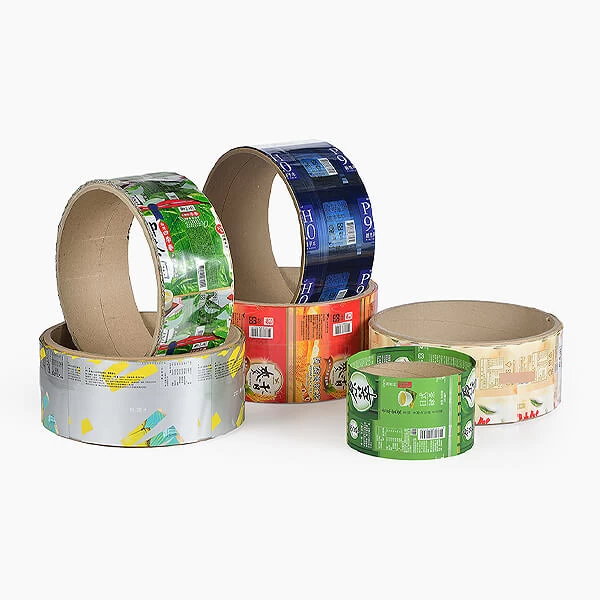
A label carries multiple functions such as brand communication, product identification, information tracking, and anti-counterfeiting. As one of the core materials of labels —— Label Film , their application scenarios are becoming more extensive and specialized. This article will systematically introduce the main types of label films and in-depth analysis of their typical applications in different industries.
II. Main Types of Label Films
|
Label Film Type |
Material Composition |
Performance Characteristics |
Application Fields |
|
PE Film (Polyethylene) |
LDPE/HDPE |
Good flexibility, can be applied to irregular surfaces, low-temperature resistant |
Daily chemicals, mother and baby products, cold chain food |
|
PP Film (Polypropylene) |
BOPP, CPP |
High transparency, good stiffness, low cost |
Food packaging, retail labels |
|
PET Film (Polyester) |
Polyethylene terephthalate |
Dimensional stability, high temperature resistance, chemical corrosion resistance |
Electronics, home appliances, pharmaceuticals |
|
PVC Film (Polyvinyl Chloride) |
Soft or hard PVC |
Strong flexibility, UV resistance, good waterproofness |
Building materials, power, cable labels |
|
Synthetic Paper Film |
Polypropylene filled type |
Paper-like appearance, waterproof and tear-resistant, writable |
Education, logistics, instructions |
|
Decorative Films |
Metal film, pearlescent film, iridescent film |
Beautiful and atmospheric, enhancing brand recognition |
Alcohol, cosmetics, gift packaging |
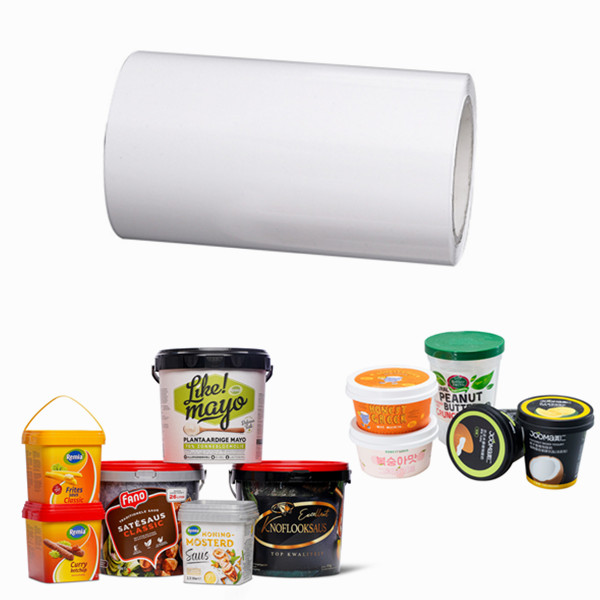
Ⅲ. Application Analysis of Label Films in Major Industries
3.1 Food and Beverage Industry: Safety and Visual Appeal
- Transparent BOPP Film : Suitable for transparent bottled products such as juice, dairy products, and tea drinks, showing the contents inside;
- White PP Film : Suitable for opaque bottles or cans, strong covering power;
- Freezing grade PE Film : Suitable for refrigerated and frozen products, no delamination or warping at low temperatures;
- Metal effect film (such as gold and silver dragon film): Enhance the high-end grade of food, such as wine and imported chocolate.
3.2 Daily Chemical and Personal Care Industry: Adhesion and Moisture Resistance are Key
- Flexible PE Film : Widely used for shower gel and shampoo bottles, with excellent adhesion;
- Pearl film, iridescent film Used for cosmetics or high-end personal care products to enhance the visual appeal of packaging;
- Transparent PET Film Combined with matte or gloss effects, it presents a delicate texture “ bare bottle ”
3.3 Pharmaceutical and health product industry: Durability and compliance are prioritized
- PET Film Suitable for high-temperature steam sterilization and cold chain environments;
- Synthetic Paper Film Barcodes can be printed and written on, used for prescriptions and medicine boxes;
- Fragile film, anti-peeling film Prevent drug counterfeiting and reuse.
3.4 Electronics and electrical appliances industry: Functional film materials are showing their strengths
- High temperature PET Film Used for PCB Circuit boards, LED Module labels;
- Flame retardant PVC Film Used for internal safety labels of home appliances;
- PI (Polyimide) film Used in extreme high-temperature conditions ( 300℃ above);
- Double-layer peelable film Used to reveal hidden information during after-sales maintenance.
3.5 Logistics and e-commerce industry: Cost and efficiency are balanced
- Thermal transfer synthetic paper film Direct printing, no ribbon required, suitable for large-scale express delivery waybills;
- PE Film Suitable for softer packaging, flexible and close-fitting;
- Waterproof PP Film Suitable for humid or long-distance transportation environments.
3.6 Industrial and construction fields: Durability and identification performance dominate
- PVC Film Used for cable, wire, and distribution box labels;
- Metallized PET Film Used for industrial equipment nameplates;
- PE Thick film Used for building materials, pipe identification, and construction safety labels.
Ⅳ. Conclusion
Against the backdrop of consumption upgrades, environmental transformation, and the rise of digital printing, the future of label films is rapidly advancing towards high performance, low carbon, personalization, and multi-functionality. For brands, choosing the right label film is not just about enhancing packaging quality, but also a key link in connecting with consumers, improving efficiency, and safeguarding product value.