

2026 Global Stretch Film Industry Update: Market Growth, Technological Innovation and Sustainable Development Trends
2026-08-07
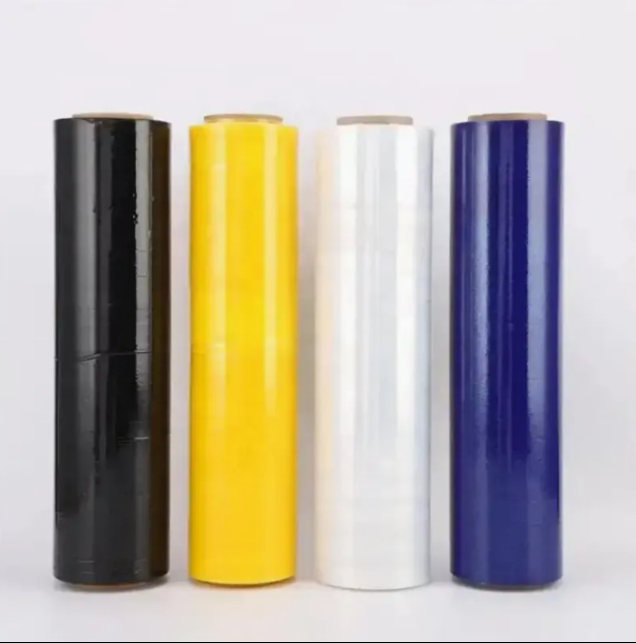
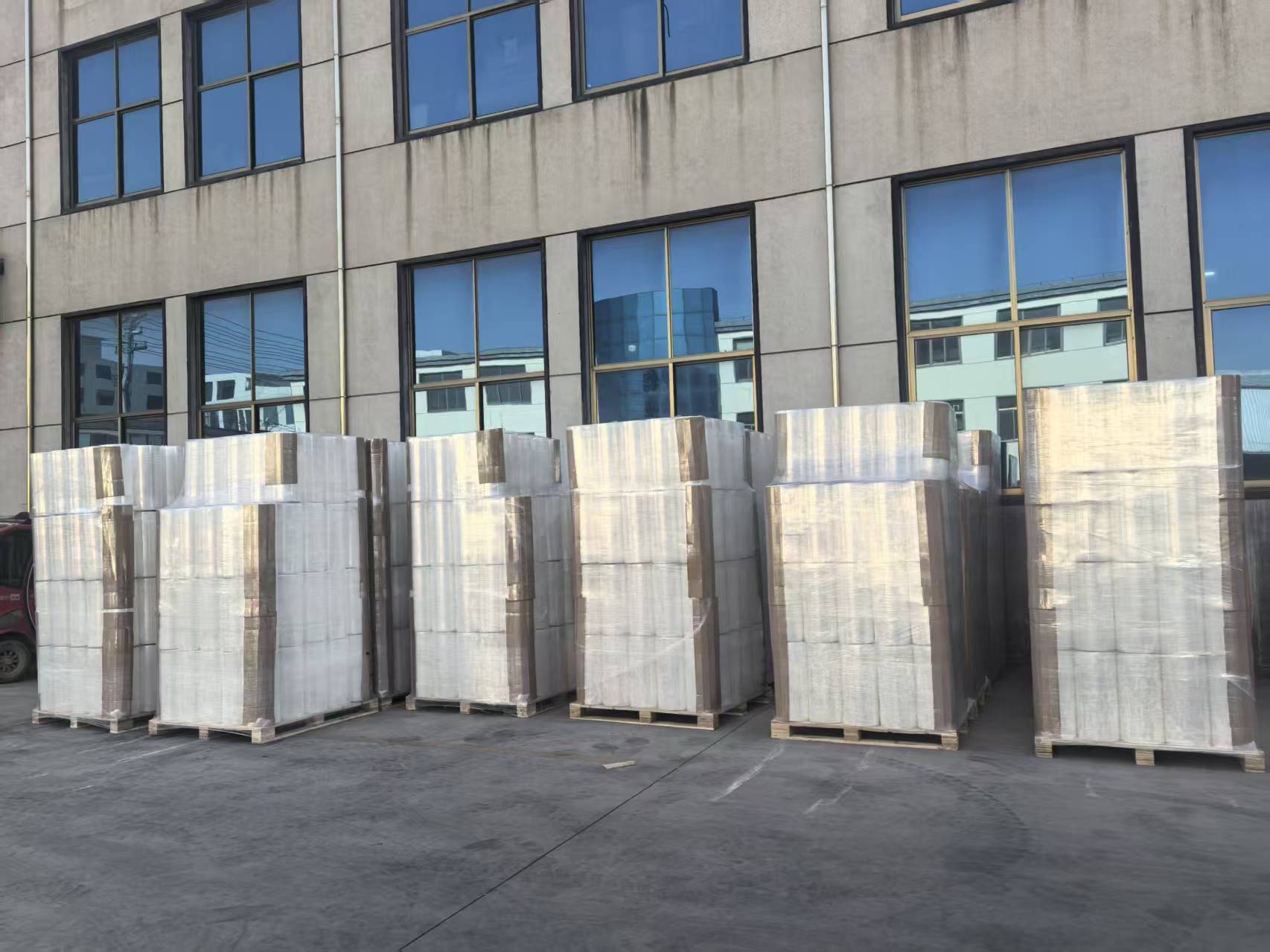
As an indispensable packaging material for pallet load stabilization, cargo bundling and logistics protection, stretch film has evolved from a basic consumable product to a high-performance, cost-effective and eco-friendly industrial solution. In terms of product structure, machine-grade stretch film dominates the market with a 65.6% share, benefiting from the widespread adoption of automated wrapping equipment in warehousing, manufacturing and cross-border logistics. Small and medium-sized enterprises (SMEs) are increasingly upgrading from manual wrapping to automated packaging systems, fueling strong market demand for high-precision, high-tensile machine stretch films.
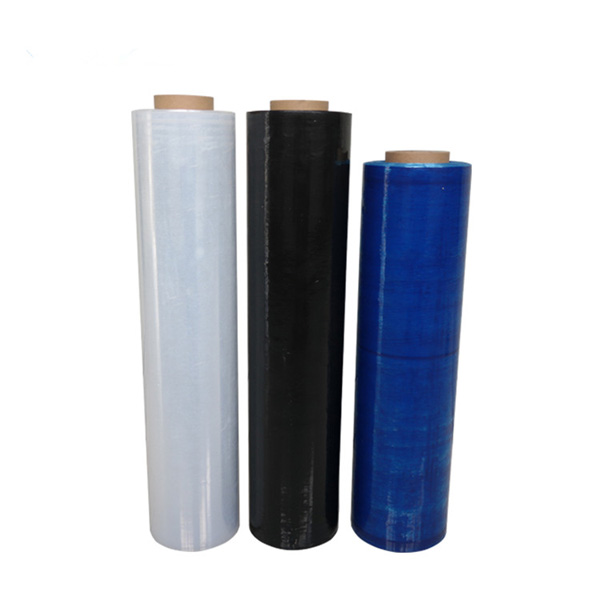
Technological innovation has become the core driving force reshaping the stretch film industry in 2026. Leading manufacturers are actively promoting film downgauging technology and pre-stretched film upgrades. Compared with traditional standard films, advanced pre-stretched stretch films are fully elongated during production, delivering consistent wrapping tension and excellent load stability. Industrial verification shows that these innovative products can reduce film consumption by up to 50% per pallet, significantly cutting overall packaging costs for enterprises while maintaining superior puncture resistance and tensile strength. This lightweight and high-efficiency packaging solution has become the preferred choice for bulk logistics, food and beverage, agricultural and industrial manufacturing industries.
Sustainable development has emerged as the mainstream trend of the industry, driven by global single-use plastic restriction policies and corporate carbon neutrality goals. Traditional virgin LLDPE stretch films are gradually being supplemented and replaced by recycled polyethylene and biodegradable stretch films. Recycled LLDPE materials have achieved performance parity with virgin materials in non-food packaging scenarios through optimized modification processes, with more than 30% post-consumer recycled content applied in commercial mass production. Meanwhile, plant-based biodegradable stretch films have broken through technical bottlenecks, retaining equivalent mechanical properties to conventional films while achieving natural degradation, effectively meeting the stringent environmental regulations in Europe, North America and other regions.
From the perspective of raw material and supply chain dynamics, polyethylene (PE) remains the dominant material for stretch films, occupying 81.6% of the global material market share due to its excellent cling property, flexibility and cost advantages. Although regional fluctuations in PE resin prices have brought short-term cost pressure to manufacturers, optimized production processes, large-scale production and material recycling systems have effectively hedged supply chain risks, ensuring stable product supply and healthy industrial operation.
Industry analysts point out that the future development of the stretch film industry will focus on three major directions: intelligent matching with automated packaging equipment, continuous upgrading of low-carbon and recyclable materials, and customized high-performance product iteration. With the continuous expansion of global cross-border trade and smart warehousing construction, the demand for high-efficiency, low-cost and eco-friendly stretch film products will continue to rise, bringing huge market opportunities for upstream and downstream enterprises in the industrial packaging chain.
Enterprises that actively deploy technological innovation and sustainable production will gain core competitive advantages in the increasingly competitive global market, leading the high-quality development of the stretch film industry in the next decade.