



2026 Global BOPP Tape Industry: Sustainable Upgrading and Smart Application Fuel Steady Market Growth
2026-07-31
The global BOPP (Biaxially Oriented Polypropylene) adhesive tape industry enters a pivotal development stage in 2026, achieving a balanced leap from traditional low-cost mass production to high-performance, eco-friendly, and intelligent manufacturing. Driven by booming e-commerce logistics, advanced industrial packaging, and upgraded downstream industrial demands, coupled with tightening global environmental regulations and iterative material technology innovation, the BOPP tape market maintains steady growth while accelerating structural optimization and product upgrading across the globe.
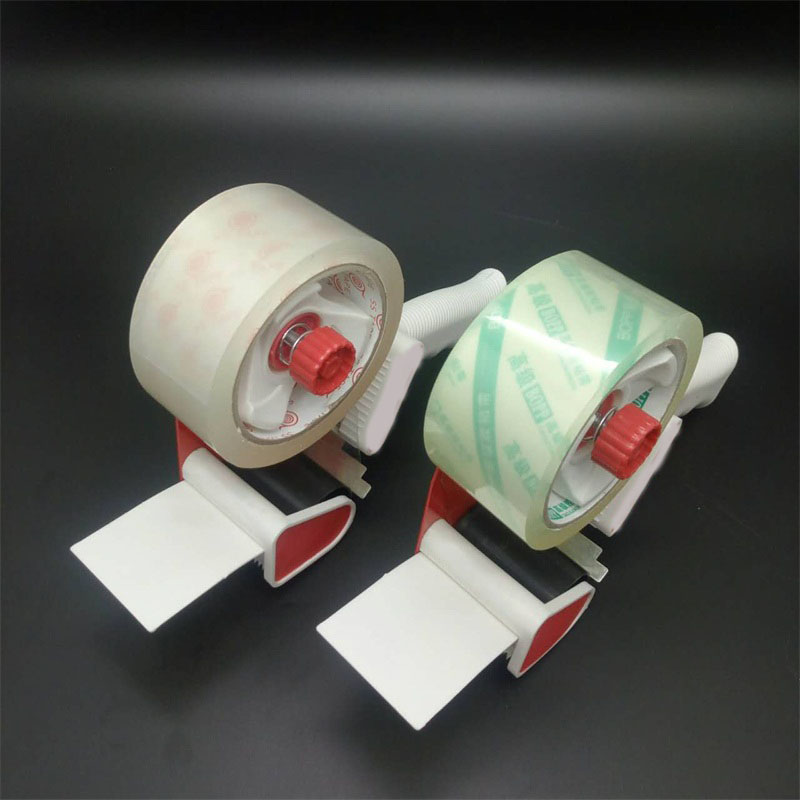
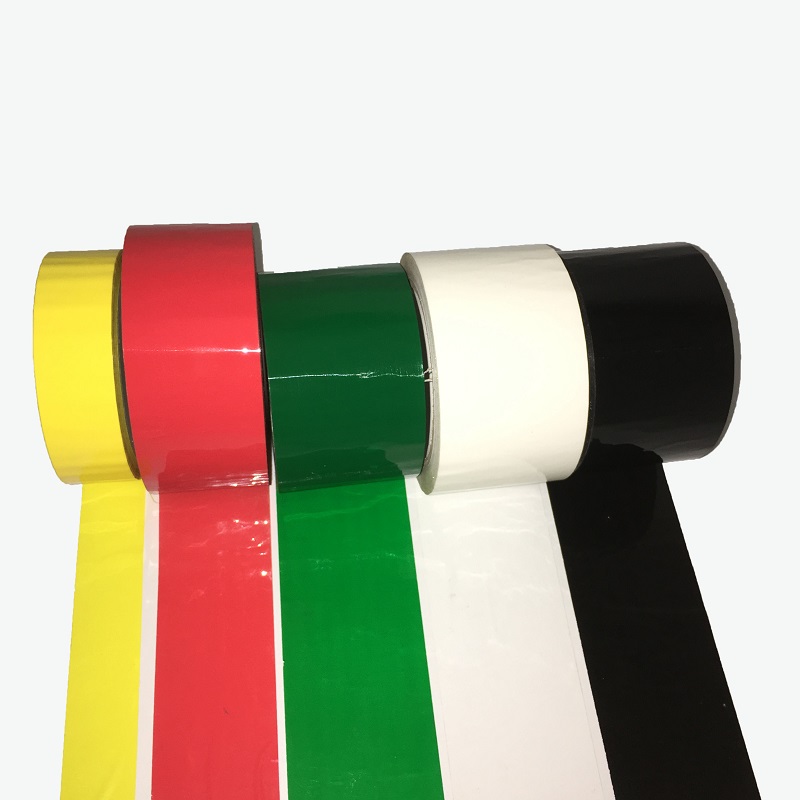
The global BOPP tape market demonstrates robust growth momentum with promising industrial prospects. Latest industry market data shows that the global BOPP adhesive tape market size is projected to grow from USD 5.04 billion in 2026 to USD 7.26 billion by 2034, registering a compound annual growth rate (CAGR) of 5.9% during the forecast period. Widely recognized for its excellent tensile strength, high transparency, stable adhesion, and cost-effective performance, BOPP tape has become the most mainstream packaging and industrial adhesive material, dominating the global ordinary and functional tape market segments.
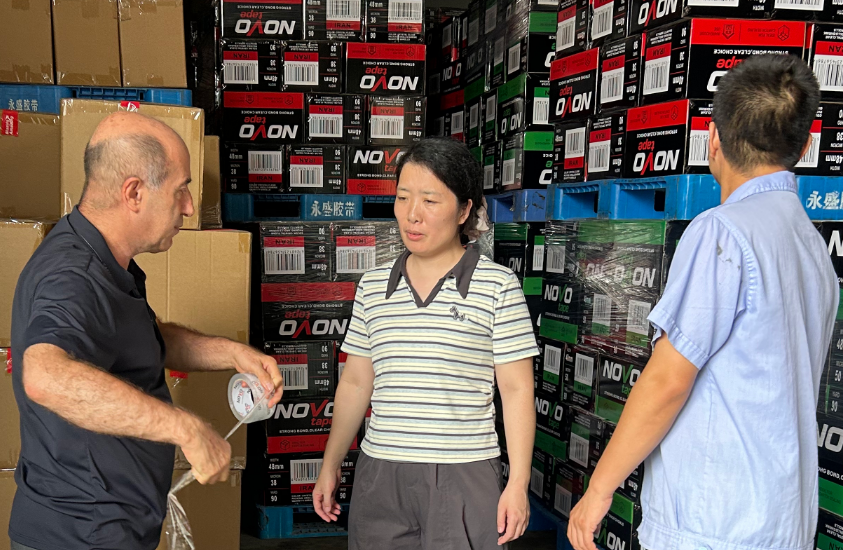
Booming downstream demand serves as the core driving force for market expansion. The e-commerce and logistics industry remains the primary demand pillar, where standardized, high-efficiency BOPP sealing tapes are widely applied in parcel packaging, cargo fixing, and logistics sealing. With the rapid development of global cross-border e-commerce and smart logistics, the demand for customized printed BOPP tapes with brand identification and anti-counterfeiting functions has surged, gradually evolving into a new profit growth point for enterprises. In addition, the manufacturing, food and beverage, and home appliance industries have further boosted the consumption of high-quality BOPP tapes, putting forward higher requirements for product viscosity, weather resistance, and environmental adaptability.
Green and low-carbon transformation has become the core consensus and mandatory trend of the 2026 BOPP tape industry. In response to global dual-carbon goals and strict environmental policies such as the EU REACH regulation, mainstream manufacturers are comprehensively promoting the upgrading of production processes and product formulas. Traditional solvent-based adhesive production processes are being phased out rapidly, while environmentally friendly technologies including water-based acrylic adhesives, solvent-free coating, and UV curing are widely popularized. The penetration rate of green production technologies in the industry has exceeded 35% in 2026, effectively reducing VOC emissions and unit energy consumption by nearly 15%.
Meanwhile, the R&D and industrial application of sustainable BOPP tape products have achieved remarkable results. Recyclable BOPP tapes, post-consumer recycled (PCR) material-based tapes, and low-VOC eco-friendly adhesive tapes have realized large-scale mass production. Leading enterprises have launched long-term green development plans, aiming to raise the proportion of recycled raw materials in products to over 30% within five years, effectively solving the environmental pain points of traditional plastic tapes and meeting the circular economy development needs of global packaging and manufacturing industries.
Intelligent manufacturing and product high-performance iteration further enhance industrial competitiveness. In 2026, the industry’s automation and digital transformation pace accelerates. More manufacturers adopt intelligent production lines, AI visual defect inspection systems, and precise constant-temperature coating processes, which greatly improve product uniformity, yield rate, and production efficiency, and reduce manual error rates. In terms of product innovation, high-end differentiated products such as low-noise silent BOPP tapes, high-temperature resistant industrial tapes, ultra-thin high-adhesion tapes, and anti-tear functional tapes are continuously replacing low-end homogeneous products, effectively optimizing the industry’s profit structure.
Industry standardization and market competition patterns are further standardized and optimized. Updated international and national environmental and product quality standards have been fully implemented in 2026, unifying testing indicators for tape adhesion, durability, environmental protection performance, and safety. Strict industry thresholds have eliminated backward small and medium-sized production capacity, while leading enterprises expand their market share through technological advantages, scale effects, and customized service capabilities. Industry consolidation continues to intensify, with cross-regional mergers and acquisitions becoming a common strategy for leading brands to expand global layout.
Industry analysts predict that the global BOPP tape industry will maintain stable growth in the next five years. With the continuous expansion of smart packaging, unmanned logistics, and high-end industrial manufacturing scenarios, functional, customized, and green BOPP tape products will become the mainstream of market consumption. Driven by technological innovation and environmental upgrading, the BOPP tape industry will further get rid of the low-value-added development model, continuously enhance global supply chain value and industrial competitiveness, and provide reliable eco-friendly adhesive material support for the high-quality development of global manufacturing and packaging industries.