


Easy-Tear Film VS Easy-Release Film
In the field of membrane materials, “ Easy-tear film ” and “ Easy-peel film ” Often confused; many people mistakenly believe that “ A membrane that can be easily opened is a type of ” In fact, the two differ markedly in their opening mechanisms, core principles, material composition and manufacturing processes, as well as their application scenarios.
Ⅰ.Different definitions
1.Easy-tear film: along the designated direction “ Tear open ”
Through special modification or processing, the film exhibits directional easy-tear properties, allowing it to be effortlessly torn along a predetermined line with a clean, non-sticky tear edge—no tools required—with ease of tearing as its key selling point.
2.Easy-peel film: along the heat-seal layer “ Unveil ”
Specifically designed for covering films. The sealing film is engineered to allow easy, complete removal after heat sealing to the container or another film layer by precisely controlling the seal strength. It opens with a simple upward pull, leaves no residue, and features antistatic properties, emphasizing convenience and safety.
Ⅱ.Core Differences
1.Easy-tear film: tears open with bidirectional pulling.
Grasp both ends of the film and pull in opposite directions to initiate tearing along the predefined grain; a pre-cut tear tab is provided for added convenience.
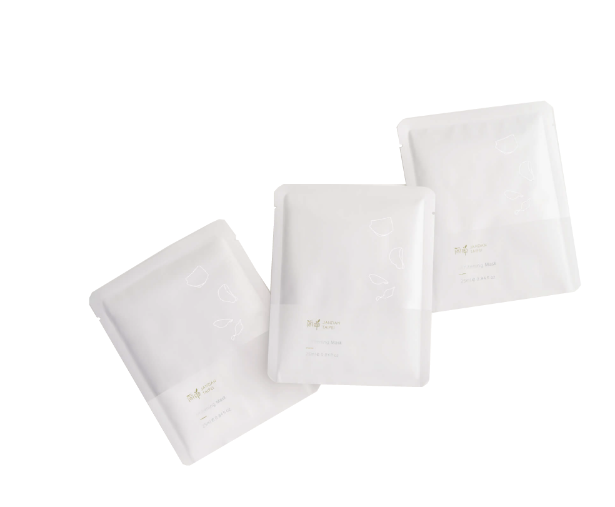
Facial mask pouches, potato chip bags, and coffee mix packets—simply pull along the tear notch to create a clean, even opening.
2.Easy-peel film: one-way pull, peel-and-open
Grasp the edge of the cover film and lift it vertically to completely peel it off the thermal cover, ensuring the cover film remains intact.
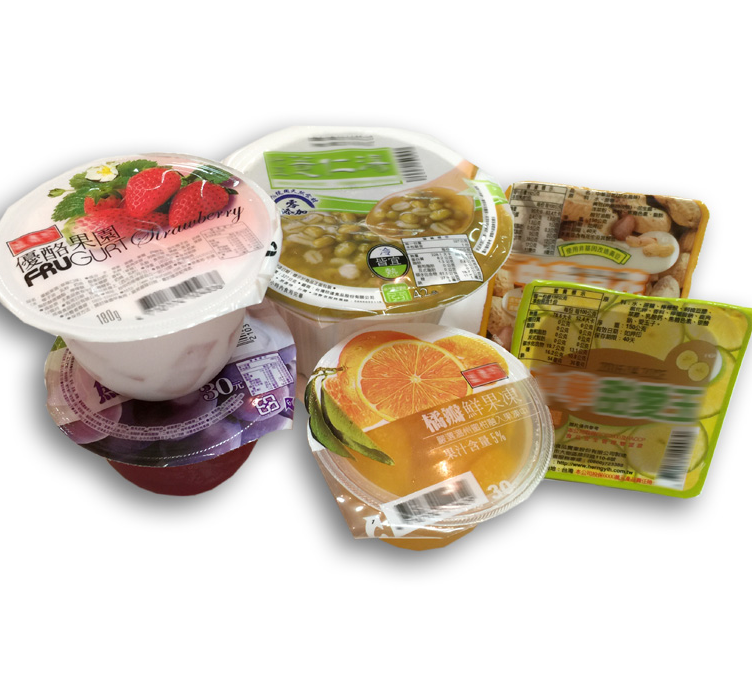
Yogurt cup lids, bubble tea sealing films, and sealing films for pharmaceutical reagent bottles—these materials leave no residue and are resistant to adsorbing impurities.
3.Easy-tear film: relies on “ Directed Modification ”, achieving precise fracture
Control fracture strength in two ways to achieve directional tearability:
In PE 、 PET 、 OPP By adding an easy-tear agent or subjecting the base film material to stretching, molecular orientation is achieved, thereby reducing the tensile strength in the grain direction.
4. Easy-peel film: relies on “ Heat Seal Strength Control +Antistatic modification ”, enabling easy stripping and antistatic properties
Balancing seal integrity with peelability, while employing antistatic modification to eliminate static-related risks, thereby ensuring optimal heat-seal strength, leak-proof sealing, and easy peelability.
In PE 、 CPP By adding a release agent to the heat-seal layer, the heat-seal strength can be controlled at 5-15N/15mm , achieving residue-free and easy removal.
5. Easy-tear film: Core assessment “ Tear strength ”and “ Tear direction ”
Vertical / Transverse tear strength (in accordance with GB/T 1040.3 )、 consistent tear direction, no debris, and puncture resistance;
6. Easy-to-Remove Film: Core Assessment “ Peel strength, seal integrity +Antistatic performance ”
Heat-seal peel strength ( 5-15N/15mm ), sealing performance, no residue, temperature resistance; antistatic versions require surface resistivity. ≤10¹²Ω. Transparency, stiffness, printability, and chemical resistance, compliant with GB 4806 Series of standards.
Conclusion
The positioning of easy-tear films and easy-peel films is fundamentally different: easy-tear films address the challenge of easy tearability in pouch bodies, with a primary focus on smooth, controlled rupture; easy-peel films, on the other hand, tackle the issue of easy removal of lid films, emphasizing residue-free sealing, with some variants offering antistatic properties to suit a broader range of cleanroom and precision applications.