




Common Film Roll Core Types and Their Impacts on Tape Pricing
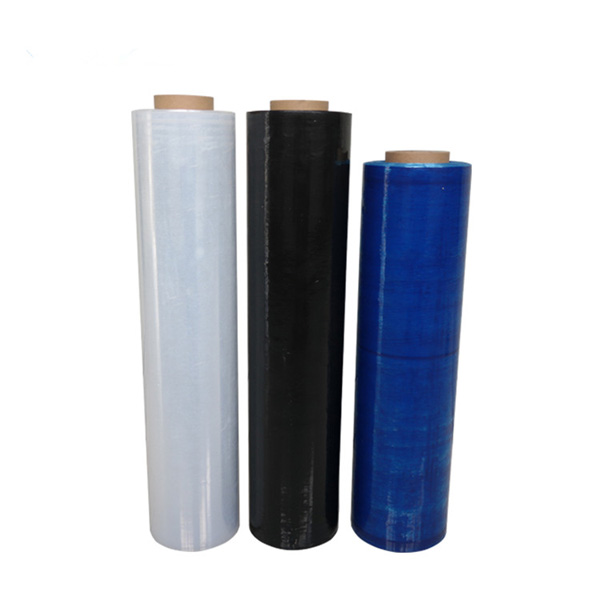
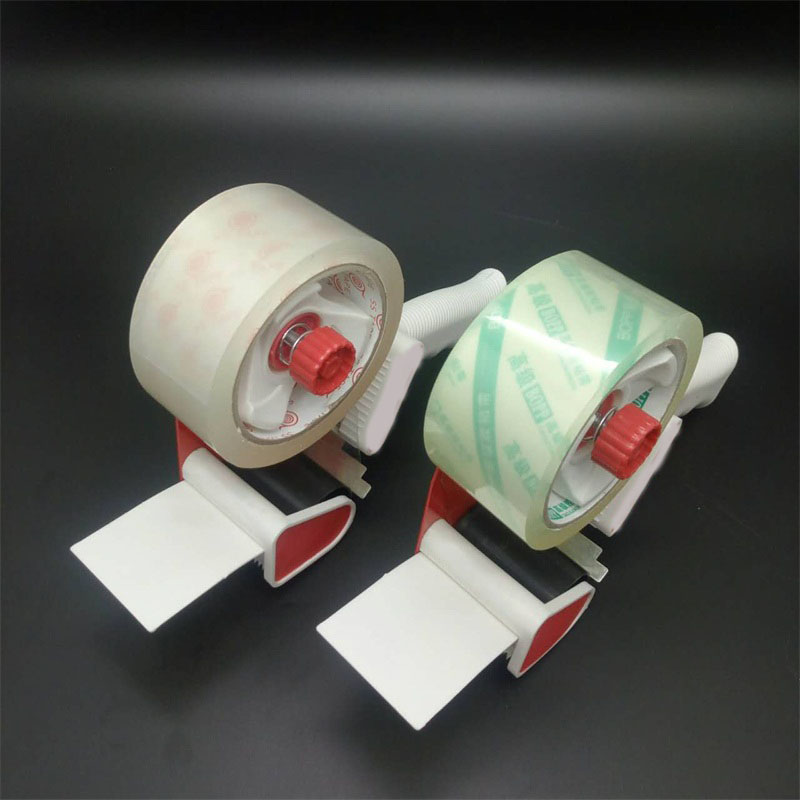
Film and tape rolls are indispensable consumables in packaging, printing, industrial processing and daily office scenarios. While most users focus on the adhesive performance, thickness and width of tape products, the internal roll core is often overlooked. As the foundational supporting component of tape rolls, the core determines the winding stability, durability, storage adaptability and production cost of tapes.
Main Types of Film Roll Cores
Film and tape roll cores are mainly classified by manufacturing materials, including paper cores, plastic cores and metal cores. Each category has unique structural properties, application scenarios and production costs, forming a clear market segmentation.
1. Paper Cores (Kraft Paper Cores)
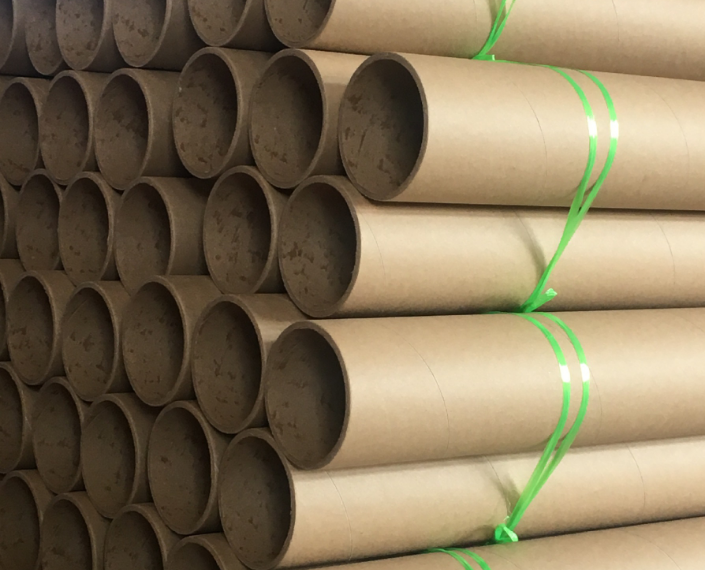
Paper cores are the most widely used and cost-effective roll cores for ordinary adhesive tapes and thin film rolls, usually made of multi-layer laminated kraft paper. They can be divided into standard lightweight paper cores and high-strength industrial paper cores according to tensile strength and structural density. Standard paper cores feature light weight, simple production processes and low raw material costs, meeting the winding and storage needs of daily office tapes, small packaging tapes and low-load film rolls. High-strength upgraded paper cores adopt thickened lamination and high-density compression technology, with enhanced tensile strength and moisture resistance, suitable for medium-load industrial tape rolls and medium-size film winding scenarios.
2. Plastic Cores
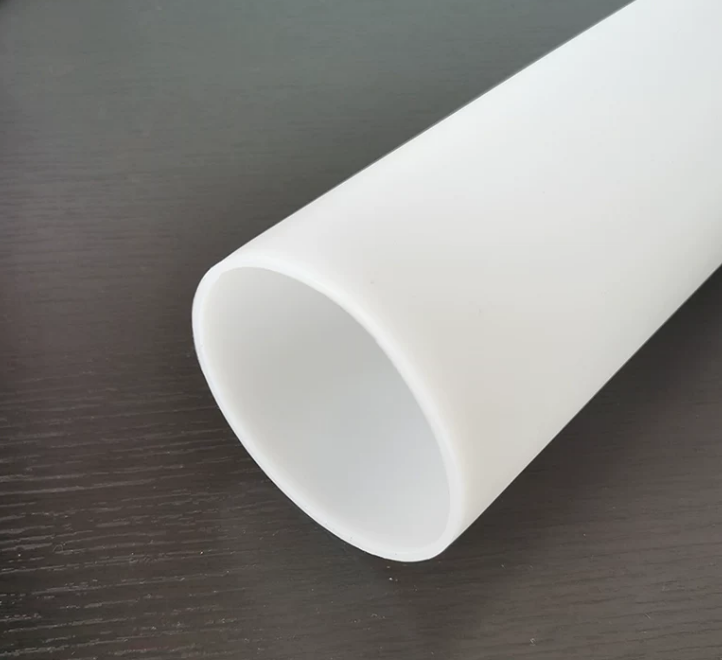
Plastic cores are mainstream high-performance roll cores in the industrial tape and high-precision film industry, with common materials including PP (polypropylene), PVC, PET and HDPE. Different from paper cores, plastic cores have excellent structural stability, waterproof and moisture-proof properties, and strong impact resistance, and will not deform or collapse during long-term winding, transportation and storage.
PP and PVC plastic cores are lightweight and cost-effective among plastic products, widely used in medium-grade industrial tapes and conventional film rolls. PET plastic cores, as high-end plastic cores, have higher stiffness and compressive strength, capable of bearing heavier roll weights and higher winding tension, and are the preferred core material for heavy-duty industrial tapes, precision laminating films and long-specification film rolls. Plastic cores are especially suitable for high-humidity warehouse storage and harsh industrial production environments where paper cores are prone to damp deformation.
3. Metal Cores
Metal cores are mainly made of aluminum alloy and stainless steel, belonging to high-end reusable roll cores. They have ultra-high hardness, structural stability and fatigue resistance, with almost no deformation or damage in long-term high-frequency industrial use. Different from disposable paper and plastic cores, metal cores are mostly recyclable and circulating accessories, mainly applied in high-precision film production, professional film winding equipment and large-scale industrial tape jumbo roll processing scenarios.
Due to high raw material and processing costs, metal cores are rarely used in civilian ordinary tape products, only limited to high-standard industrial production and professional film processing fields.
How Roll Core Types Affect Tape Pricing
The core type is a key hidden factor in tape pricing. Its raw material cost, processing difficulty, performance advantages and service life directly determine the production cost and market positioning of tapes, forming a clear price gradient in the industry.
1. Raw Material Cost Creates Basic Price Differences
Paper cores have the lowest raw material and processing costs. Relying on mature paper lamination production lines and low-cost recycled paper raw materials, they greatly reduce the overall production cost of ordinary tapes. This is why daily packaging tapes and office tapes with paper cores occupy the low-cost and high-volume civilian market.
Plastic cores require petrochemical raw materials and professional injection molding or extrusion processes. Industry data shows that the cost of plastic cores is about 25% higher than that of ordinary paper cores under the same specification. PET high-performance plastic cores have higher raw material purity and processing precision requirements, with costs further increased. Metal cores have the highest comprehensive cost, far exceeding paper and plastic cores, becoming the core reason for the high pricing of professional industrial tape jumbo rolls and precision film tapes.
2. Performance Value Improves Product Premium Space
The price difference caused by roll cores is not only reflected in raw material costs, but also in the performance premium brought by core advantages. Tapes with ordinary paper cores are prone to core deformation, uneven winding and edge warping in humid environments or long-distance transportation, resulting in product quality defects and low market premium.
Tapes equipped with plastic cores have stable winding quality, no deformation in high-humidity and high-pressure environments, and consistent unwinding tension, which effectively reduces product loss and improves use stability. This stable performance enables plastic-core industrial tapes to have a 10%–30% market premium compared with ordinary paper-core tapes of the same adhesive specification. Metal-core tapes rely on ultra-high stability and reusability, supporting high-precision industrial production needs, and their product premium is more significant, targeting high-end industrial customized markets.
3. Application Scenarios and Market Positioning Differentiate Pricing Systems
Different core types correspond to completely different market positioning of tape products, forming a hierarchical pricing system. Paper-core tapes are positioned in the mass civilian market, focusing on cost performance and large-scale sales, with low unit profit and competitive pricing. Plastic-core tapes are positioned in the medium and high-end industrial market, focusing on product stability and environmental adaptability, with stable pricing and high unit profit. Metal-core supporting tape products belong to professional customized industrial supplies, with small market demand but high technical threshold and overall pricing.
Conclusion
Paper cores, plastic cores and metal cores constitute the three mainstream core types of modern film and tape rolls, with each having distinct cost and performance characteristics. Paper cores dominate the mass low-priced tape market with ultra-low cost, plastic cores occupy the mainstream of medium and high-end industrial tapes with balanced performance and cost, and metal cores monopolize the high-precision professional film and industrial processing fields with ultra-high stability. For tape manufacturers and purchasers, clarifying the characteristics of different roll cores and their price influence rules can effectively match product positioning, control production costs, and select cost-effective tape products suitable for actual application scenarios.