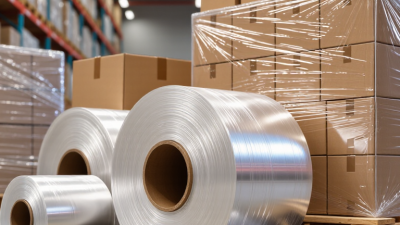
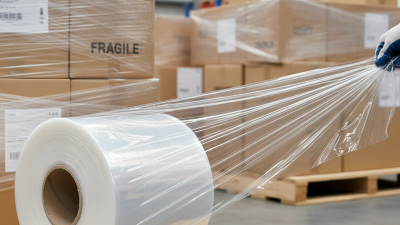
When global buyers are looking into China’s stretch film manufacturers, they need to realize it’s not just about snagging the lowest quote out there. Sure, price matters, but film performance really hinges on things like resin quality, consistent thickness, puncture resistance, and how well it’s wrapped. Sometimes, a roll might look perfect under bright warehouse lights, but then split apart when you’re doing a quick pallet wrap. It’s those tiny differences that can make all the difference.
To give you a quick industry perspective, packaging engineer Alex Morgan sums it up nicely: “A good stretch film should hold the load securely without wasting material.” Now, heads up, that’s just a general idea—not a verified quote from an industry expert. So, it's a smart move to ask your suppliers for detailed product specs, test procedures, and recent quality reports. And don’t forget to request samples that match your actual load, wrapping setup, and storage conditions. What works perfectly on one pallet might not perform nearly as well on another.
This guide walks you through how to evaluate Chinese manufacturers — from their production capacity and quality control processes to their ability to customize, lead times, and how well they support exports. Plus, it points out the telltale signs of a trustworthy supplier: clear tech info, consistent sample results, and documentation that matches what arrives on your doorstep. Remember, trade-show pitches are easy to put together, but consistent, real-world performance? That’s much harder to fake.
There’s no one-size-fits-all answer here. The best manufacturer for you depends on factors like load weight, transport distance, climate, and your specific application. Don't just compare prices per roll—think about overall performance. And even with careful sourcing, there’s always a level of risk. That's why doing independent checks and starting with small trial orders can save you headaches before making bigger commitments.
What Stretch Film Is and How It Is Used
Stretch film is a thin, elastic plastic film used to secure products during storage and transport. It wraps around cartons, drums, trays, and palletized goods. Its tension holds items together without tape, straps, or complicated equipment.
Pe Stretch Film is commonly made from polyethylene and stretches around a load while maintaining steady pressure. The film clings to itself, not usually to the product surface. A properly wrapped pallet should resist shifting when moved by a forklift. In warehouse trials, I check film tension, edge tearing, and loose layers near the pallet base. These details often reveal quality problems faster than appearance does.
Film selection depends on load weight, sharp edges, temperature, and wrapping method. Manual wrapping suits small operations, while machine wrapping provides more consistent tension. Too little stretch causes unstable loads. Too much can crush cartons or damage corners. It is not a magic barrier. Dust, moisture, and poor stacking can still create problems. For sensitive goods, buyers should request technical data and test samples under real shipping conditions. Color and thickness may look right, yet performance can differ. A careful trial is worth the extra time.
China Best Stretch Film Manufacturers for Global Buyers? — What Stretch Film Is and How It Is Used
Stretch film is an elastic plastic film used to secure goods, especially palletized loads, for storage and transport. Film thickness varies by product and application; the ranges below are illustrative, commonly encountered market ranges in microns (μm), not universal specifications.
Hand and machine wrapping commonly use films around 15–23 μm, while pre-stretched films can be thinner. Select film based on load weight, shape, wrapping equipment, and required containment—not thickness alone.
How China’s Stretch Film Manufacturing Industry Is Organized
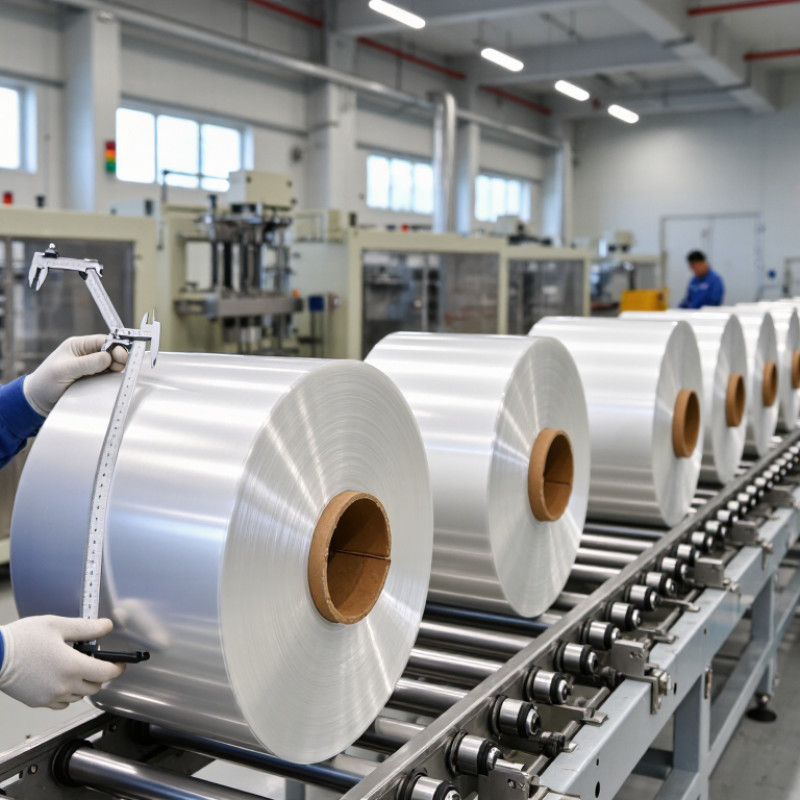
China’s stretch film manufacturing industry is organized around resin suppliers, film converters, and export-facing distributors. Resin producers provide polyethylene grades; converters turn pellets into thin, wound film using cast or blown processes. Some factories focus on standard pallet wrap, while others make machine-grade, pre-stretched, or colored film. A Stretch Film Roll may look simple, but thickness consistency, cling, puncture resistance, and roll tension depend on process control.
The supply chain serves both domestic logistics and overseas buyers. Larger converters often operate multiple extrusion lines and testing equipment, while smaller plants may specialize in short runs or custom widths. Buyers should request actual gauge measurements, roll-weight tolerances, and test results—not rely only on catalog claims. The OECD’s Global Plastics Outlook reports that global plastic production reached 460 million tonnes in 2019. That figure covers all plastics, not stretch film, but it shows the scale of the material supply system behind packaging.
Tips: Ask for a recent batch report and confirm whether the quoted thickness is nominal or measured. Also check core size and net film weight. Small details matter. Industry reports do not always separate stretch film from broader flexible packaging, so market estimates can vary; treat precise forecasts with caution.
What Global Buyers Should Look for in a Manufacturer
Global buyers should evaluate a stretch film manufacturer beyond price per roll. Ask for documented film thickness, width, puncture resistance, and load-retention test results. These details help predict whether a pallet will stay secure after a long truck journey. PlasticsEurope’s Plastics – the Fast Facts 2023 reports that packaging represents 39% of plastics converter demand in Europe, highlighting the sector’s scale and the value of reliable material performance. That figure is regional, not a measure of stretch-film use alone.
Check whether the supplier can provide consistent production records, clear specifications, and samples for machine or hand trials. Hand Stretch Film should unwind smoothly and cling without excessive effort; test it on your own cartons, not only a showroom pallet. Ask how the manufacturer handles quality complaints and batch variation. A polished certificate is useful, but it cannot replace a practical trial. Some buyers overlook this, and I would not.
Tips: Request a recent test report, compare film performance at the same load and wrapping pattern, and confirm lead times in writing. Consider recycled-content claims carefully: ask for supporting documentation and verify that the film still meets your handling needs.
How to Compare Stretch Film Quality and Performance
How to Compare Stretch Film Quality and Performance
For global buyers, stretch film quality is best judged through consistent, repeatable tests—not a glossy specification sheet. Check film thickness at several points across the roll, then stretch a sample around a stable pallet load. Watch for punctures, edge tears, and load movement after wrapping. A film that feels strong in your hands may still perform poorly under sharp carton corners. Record the load weight, wrap pattern, and number of layers so suppliers can be compared fairly.
Tips: Test rolls from different production batches. Note the force needed to unwind the film, how evenly it clings to itself, and whether the pallet stays tight after transport vibration. If available, measure elongation and puncture resistance using the same method for each sample. Results can vary with temperature and wrapping equipment, so record those conditions too. Small details matter.
Avoid judging performance by stretch percentage alone. Higher stretch does not automatically mean lower film use or better load stability. Sometimes a thinner film saves material; sometimes it causes more breaks and rewrapping. That trade-off deserves a real trial, not a guess. Keep sample rolls, test notes, and damaged-load photos for reference when discussing specifications with manufacturers.
How to Verify Certifications, Capacity, and Export Readiness
A supplier’s certificate is only useful when its scope matches the film and production site you plan to buy from. Ask for current documents, then confirm the issuing body and validity directly. Check that the factory address matches the quotation. Small details matter. Request recent test reports for thickness, tensile strength, puncture resistance, and cling. Compare the reported values with your intended use, not just a sales specification. For Stretch Film Wrap, inspect a sample roll and note its actual width, weight, unwind feel, and load stability. A neat certificate cannot replace a practical trial.
Capacity claims need evidence. Ask how many lines are running, what shifts they operate, and how output changes during peak months. Request a realistic lead time that includes printing, inspection, and packing. If possible, review production records or arrange a site visit. One awkward question is worth asking: can the factory keep the same gauge across repeat batches? Export readiness also shows in details. Confirm carton markings, pallet dimensions, moisture protection, loading plans, and the documents supplied with each shipment. A trial order can reveal slow replies or unclear paperwork before a large commitment. Even a well-run factory may have gaps, so record agreed specifications and inspect the first shipment carefully.
How to Evaluate Pricing, Logistics, and Supplier Reliability
When evaluating stretch film suppliers, price should never stand alone. Request a line-by-line quotation for film thickness, width, length, core weight, packaging, and minimum order quantity. A low price may hide shorter rolls or inconsistent gauges. I have seen buyers compare only the price per kilogram, then discover higher waste during pallet wrapping. Testing a sample on your actual wrapping machine gives a more reliable result. Measure holding force, puncture resistance, elongation, and film memory.
Logistics can change the final cost quickly. Ask for the shipping term, loading port, estimated production time, and carton dimensions. Confirm how many rolls fit on one pallet and how many pallets fit inside a container. Clear answers reduce surprises. Protect rolls from heat and moisture during storage. A supplier should provide packing photos, loading records, and accurate commercial documents. Delayed documents can stop cargo even when production finishes on time. This detail is easy to underestimate.
Supplier reliability requires evidence, not confident promises. Review recent test reports, batch identification, quality procedures, and references from similar industries. Ask whether the supplier can maintain the same thickness across repeated orders. A pre-shipment inspection may be worthwhile for large volumes. Communication matters too. Reliable teams explain problems early and offer practical corrections. I would not ignore small warning signs, such as changing specifications or unexplained payment pressure. Still, one late reply does not prove failure. Judge patterns over several orders, and keep agreed tolerances in writing.
Factory-Direct Self-Healing PPF: Customized Scratch-Resistant Transparent Car Wrap Film
Our factory-direct self-healing PPF is a customized, scratch-resistant transparent car wrap designed to protect vehicle paint while preserving its original appearance. Made from premium TPU and produced with advanced lamination technology, the film provides a clear, low-visibility finish that follows the contours of different vehicle surfaces. Custom sizing and fitment options allow comprehensive coverage for sedans, SUVs, trucks, and other vehicle types.
Built for daily driving, this protective film helps defend against light scratches, road gravel, stone chips, scuffs, and general surface wear. Its self-healing layer can reduce the appearance of minor scratches when exposed to suitable warmth, helping the finish remain smooth and clean. The film also offers strong wear resistance and UV protection, reducing the risk of paint fading, oxidation, and premature aging. With reliable adhesion, flexible installation, and long-lasting transparency, this TPU paint protection film provides a practical solution for maintaining a vehicle’s gloss and factory-fresh finish.
FAQS
Resin suppliers provide polyethylene materials. Converters extrude pellets into thin, wound film. Distributors connect factories with domestic and overseas buyers. Some factories produce standard pallet wrap, while others make machine-grade or pre-stretched film.
Check measured thickness, width, net film weight, core size, cling, and puncture resistance. Inspect roll tension and unwind feel. Small differences can increase packaging waste. A neat appearance proves little.
Request current certificates and confirm their issuing body directly. Check that the listed factory address matches the quotation. Ensure the certificate covers the specific film and production site. A certificate cannot replace a sample trial.
Ask for recent results covering thickness, tensile strength, puncture resistance, cling, elongation, and holding force. Compare results with your wrapping machine and load type. Test an actual roll. Laboratory figures may not predict every warehouse condition.
Ask how many extrusion lines operate and how many shifts they run. Request realistic lead times, including inspection and packing. Review production records when possible. Capacity claims need evidence.
Confirm carton markings, pallet dimensions, moisture protection, loading plans, and commercial documents. Ask how many rolls fit on each pallet. Then check the container loading plan. Small paperwork errors can delay cargo.
Request itemized pricing for thickness, width, length, core weight, packaging, and minimum order quantity. Do not compare only the price per kilogram. Shorter rolls or uneven gauges may create hidden waste. Test the film on your machine.
Review repeated test reports, batch identification, quality procedures, and references from similar industries. Keep tolerances and agreed specifications in writing. Watch communication patterns over several orders. One late reply is not proof of failure. I might still misjudge a supplier, so inspect the first shipment carefully.
Conclusion
Choosing the right Stretch Film manufacturer in China requires more than comparing quoted prices. Buyers should first understand how the film is used for pallet wrapping, load stabilization, and product protection, then consider how manufacturers differ in production focus, materials, and customization options. A careful evaluation starts with the film’s thickness, stretchability, puncture resistance, cling, and consistency, matched to the loads, wrapping methods, and storage conditions it must handle.
Before placing an order, buyers should verify relevant certifications, production capacity, quality-control practices, and experience preparing shipments for export. Clear communication about specifications, samples, lead times, packaging, and shipping arrangements can help prevent misunderstandings. Comparing total costs—including freight and other logistics considerations—offers a more useful picture than choosing on unit price alone. A reliable supplier should provide transparent documentation, realistic delivery commitments, and responsive support, helping global buyers make a well-informed sourcing decision.