When it comes to global supply chains, dependable load security is a must, but honestly, there's no one-size-fits-all film for every pallet, warehouse, or route. You’ve got options—**packing stretch wrap** comes in all sorts now—hand-applied, machine-applied, pre-stretched, blown, cast, colored, recycled, and even specialty barrier films. Each type has its own quirks, affecting how tightly it holds, how resistant it is to punctures, how fast you can apply it, and how much material you end up using.
The market’s pretty huge, too. According to Grand View Research, the worldwide stretch films market was worth around USD 3.7 billion in 2023, and it’s expected to keep growing through 2030. They say the boom is driven largely by e-commerce, food distribution, and more pallets being moved around. Another report, *The Future of Global Stretch and Shrink Films to 2028* from Smithers, points out that things like making films thinner, automating the application process, and developing more recycled options are all key directions the industry is heading toward. Keep in mind, though—these reports give good context but aren’t necessarily telling you what to buy right now.
Details really matter here. For example, a thin cast film might glide smoothly through an automated wrapper and do the job just fine. But if you’re dealing with irregular cartons, a blown film might provide the extra puncture resistance you need. Pre-stretched wrap can lessen operator effort, but if your loads shift during ocean shipment, it might not hold up so well. Recycled-content films are awesome for sustainability goals, but they require careful testing to make sure they perform consistently.
In this guide, we break down ten main types of packing stretch wrap, looking at stuff that really matters for buyers—like load weight, sharp corners, climate exposure, compatibility with your equipment, and overall cost of wrapping.
And let’s be real: specs alone aren’t everything. Just because a film claims to be “high performance” doesn’t mean it will perform well if you don’t apply it with the right tension or pre-stretch settings. So, it’s smart to ask suppliers for technical data sheets, try out some samples, and see documented performance results—brands like Berry Global, Sigma Plastics Group, and Manuli Ryco usually have this info. But at the end of the day, nothing beats testing your actual loads in real warehouse conditions. Claims are claims—verification is key.

What Packing Stretch Wrap Is and How It Works
Packing Plastic Wrap, also called packing stretch wrap, is a thin elastic film for securing goods. It holds cartons, trays, and irregular loads together during storage or transport. Unlike tape, it clings through tension and surface contact. A worker pulls the film around a pallet, stretching it slightly with each turn. The film then contracts, pressing packages toward the load center. This pressure reduces shifting, loose edges, and exposure to dust or light moisture. It is simple, but not foolproof. Too little tension allows movement; too much can crush soft cartons or distort labels.
In practical packing, the right type depends on load weight, corner shape, travel distance, and application method. Hand wrap suits occasional shipments and short production runs. Machine wrap offers more consistent tension for repetitive pallet work. Pre-stretched film can reduce pulling effort, while heavier film may support dense loads. Clear film helps inspection, while colored film can support load separation. A reliable choice starts with testing, not guesswork. Wrap one sample pallet, tilt it gently, and inspect crushed corners, film breaks, and movement. I have found that a cheaper roll can become expensive when rework begins. Film thickness alone does not prove performance.
Tips: Keep film clean and dry before use. Anchor the first turns low on the pallet, then overlap each pass by about half the film width. Protect sharp corners with guards. Avoid covering required handling information. Check tension at the top and bottom. Small trials prevent large mistakes.
The Top Ten Packing Stretch Wrap Types Explained
Top 10 Packing Stretch Wrap Types for Global Buyers
The Top Ten Packing Stretch Wrap Types Explained
Packing stretch wrap is not one universal material. Its performance changes with load weight, pallet shape, temperature, and wrapping equipment. Hand stretch film suits occasional packing and small warehouses. Machine stretch film supports faster, repeatable wrapping. Pre-stretched film reduces pulling effort and often improves control for manual operators. Cast stretch film unwinds quietly and offers clear visibility. Blown stretch film provides stronger puncture resistance for rough or irregular loads.
Other types solve more specific problems. High-performance or nanolayer film uses thinner structures while maintaining useful holding force. Colored film helps identify shipments, storage zones, or handling groups. Opaque film hides contents and limits casual visual inspection. UV-resistant film supports temporary outdoor storage, though it is not a permanent weather barrier. Vented stretch film allows airflow around fresh produce, plants, or moisture-sensitive loads. Bundling stretch film secures smaller items without requiring a full pallet wrap.
In practical sourcing, buyers should compare elongation, tear resistance, cling, thickness, and holding force. Ask for test data, not only attractive percentage claims. A heavier film is not automatically stronger. That assumption causes waste. I have seen operators choose pre-stretched film for unstable loads, then discover insufficient grip around smooth cartons. Trial wrapping remains essential. Check corner protection, film tension, storage temperature, and recycling guidance before approving a specification. Requirements also vary by destination and transport route, so documentation should be clear and traceable.
Material Structures, Thicknesses, and Performance Features
Top 10 Packing Stretch Wrap Types for Global Buyers
Stretch wrap performance depends on structure, thickness, and application method. Common options include cast LLDPE, blown LLDPE, pre-stretched film, machine wrap, hand wrap, high-performance film, UV-resistant film, opaque film, colored film, and recycled-content film. Cast films usually offer quiet unwinding and clear visibility. Blown films often provide stronger puncture resistance. Three-layer and five-layer co-extruded structures can balance cling, stretch, and tear control.
Thickness commonly ranges from 8 to 35 microns. Light loads may suit thinner film, while sharp cartons need greater puncture resistance. Pre-stretched film reduces hand force and material use, but it may lose holding power on unstable pallets. Machine film can deliver consistent tension, although settings must match the film’s elongation. UV-resistant structures help during outdoor storage, but they are not permanent protection. Opaque or colored films improve load identification and privacy.
Tips: Test one full pallet before purchasing large volumes. Check stretch percentage, tear strength, cling, core size, and roll weight. A thicker film is not automatically safer. Excessive tension can crush cartons, while low tension can create shifting loads. Recycled-content film may perform differently between production batches, so request current technical data. Weigh actual film consumption, not only the price per roll. Some recommendations still fail when pallet shapes, humidity, or wrapping speed change. A small warehouse trial often reveals these weaknesses.
How to Match Stretch Wrap Types to Cargo and Applications
Top 10 Packing Stretch Wrap Types for Global Buyers
Choosing stretch wrap starts with the cargo, not the film color. In warehouse trials, I check load weight, edges, temperature, and transport distance. Hand stretch wrap suits low-volume packing and irregular pallets. Machine stretch wrap gives steadier tension for daily production. Pre-stretched wrap reduces operator effort and works well for lighter loads. Cast film unwinds quietly and offers clear visibility. Blown film grips strongly and handles sharp corners better.
For heavy cartons or unstable loads, high-performance wrap can provide greater holding force with less material. Vented stretch wrap allows airflow around produce, plants, or warm goods. UV-resistant wrap helps outdoor storage, although it is not a permanent weather barrier. Colored wrap can separate shipments or conceal contents, but labels still need clear identification. Mini stretch wrap is useful for bundling pipes, cables, or small boxes.
Plastic Packing Wrap should be matched with pallet geometry. Smooth cartons may need less tack, while dusty surfaces often need stronger grip. Test a wrapped pallet after vibration and temperature changes. A film that performs well indoors may loosen during a cold sea journey. I have seen buyers select the thinnest option to reduce cost, then lose stability through broken corners. That choice needs review. Film thickness alone does not prove performance. Pre-stretch, puncture resistance, holding force, and application speed matter together. Small trials reveal more than a specification sheet.
Top 10 Packing Stretch Wrap Types for Global Buyers
How to Match Stretch Wrap Types to Cargo and Applications
The chart compares representative nominal film thicknesses commonly used for different cargo and applications. Pre-stretch and high-performance films are suitable for stable pallet loads with lower material consumption, while blown, agricultural silage, and heavy-duty films provide greater puncture resistance for irregular, sharp-edged, or outdoor loads. Actual specifications should be selected according to load weight, pallet geometry, transport conditions, and required containment force.
Global Standards, Sustainability, and Packaging Safety
Global buyers should judge the top ten Packing Cling Film types by safety, performance, and environmental evidence. Common options include cast, blown, pre-stretch, hand, machine, ventilated, UV-resistant, puncture-resistant, recycled-content, and colored films. Each suits different loads. Cast film offers quiet application and consistent thickness. Blown film usually provides stronger puncture resistance. Pre-stretch film can reduce material use, but only when machines apply correct tension.
Global standards matter at every warehouse door. ISO 18602 supports packaging optimization across the full system, not just thinner film. Load tests should check edge pressure, vibration, pallet stability, and temperature changes. The OECD Global Plastics Outlook reports that only 9% of global plastic waste was recycled in 2019. That figure challenges vague sustainability claims. Ask for recycled-content percentages, test reports, and disposal guidance. A thinner roll is not automatically safer or greener.
Tips: Measure film usage per pallet, not per roll. Check whether the load remains stable after a 24-hour hold. Keep film away from heat and sharp pallet edges. Choose certified materials with traceable documentation. Recycled content may affect clarity or puncture strength, so validate it on real shipments. We should also admit a practical limitation: global recycling systems differ widely. A recyclable Packing Cling Film may still be landfilled when local collection is unavailable. Safety data sheets, ISO-based testing, and supplier audits help buyers make defensible decisions.
How International Buyers Can Compare Suppliers and Costs
Top 10 Packing Stretch Wrap Types for Global Buyers
International buyers should compare performance, not only the quoted roll price. A 2024 Grand View Research report estimated the global stretch film market at about USD 3.5 billion in 2023. Demand is growing, but product quality varies sharply between suppliers.
Ask for gauge, roll length, film width, pre-stretch ratio, puncture strength, and holding force. A cheaper
Wrap Stretch
roll may contain less usable film. That changes the real cost per pallet.
Request samples before signing a large order. Test them on your actual load, warehouse temperature, and wrapping equipment. Check whether the supplier provides technical data sheets, batch records, and consistent core dimensions.
Smithers’ industry outlook on stretch and shrink films highlights sustainability, downgauging, and recycled content as important market trends. However, thinner film is not automatically better. A failed load creates product damage, rework, and delayed delivery. I would not trust a comparison based on price per roll alone.
Tips:
Build a landed-cost table. Include film cost, freight, duties, equipment settings, waste, and replacement risk. Compare cost per stable pallet, not cost per carton. Confirm Incoterms, minimum order quantities, lead times, and payment terms in writing. Supplier audits help, but they are not perfect. Keep testing after approval. Small variations can matter.
Mini Stretch Film from China Factory: Small-Item Packaging Trends Based on Smithers and Grand View Research Reports
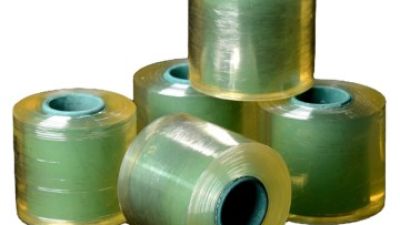
Mini stretch film is becoming a practical solution for the growing demand for compact, flexible, and efficient packaging. Industry research on the global stretch film market highlights the increasing use of lightweight materials, manual wrapping formats, and packaging designed for small retail, household, and e-commerce items. Compared with oversized rolls, mini stretch film is easier to carry, store, and use for small-batch bundling, daily organization, and product protection.
Manufactured in a China factory from high-quality polyethylene raw materials, this mini stretch film combines strong self-adhesion with excellent flexibility. Its compact design supports quick manual application without requiring complex equipment, making it suitable for offices, homes, warehouses, and retail environments. The transparent film allows users to identify wrapped items easily while helping protect them from dust, scratches, and minor surface contact during storage or handling.
Its lightweight structure can help reduce unnecessary packaging material for smaller products, while responsible disposal or recycling should follow local waste-management requirements. Available for customized production and bulk supply, this mini stretch film offers a convenient option for businesses seeking reliable small-item packaging with consistent quality, clean appearance, and efficient handling.
FAQS
: Common thicknesses range from 8 to 35 microns. Thin film suits light, smooth loads. Sharp cartons need stronger puncture resistance. Thicker is not always safer.
Cast film usually unwinds quietly and provides clear visibility. Blown film often resists punctures better. The better choice depends on carton edges and handling conditions.
Pre-stretched film reduces hand force and material use. However, unstable pallets may need stronger holding power. Test one complete pallet before ordering larger quantities.
Check elongation, roll weight, core size, and tear strength. Machine tension must match the film. Excessive tension can crush cartons.
UV-resistant film helps during outdoor storage. It is not permanent protection. Sun exposure, heat, and storage time can still weaken the film.
Not always. Recycled content may affect clarity and puncture strength. Production batches can differ. Request current technical data and test real shipments.
Weigh actual film used per pallet. Do not judge only by roll price. Record wrapping speed, tension, and film waste.
Check edge pressure, vibration, pallet stability, and temperature changes. A 24-hour hold can reveal shifting loads. Some recommendations still fail in humid warehouses.
No. Local collection systems differ widely. Recyclable material may still reach landfill. Confirm disposal options near the warehouse and delivery destination.
Conclusion
Packing Stretch Wrap is a flexible packaging film designed to secure products, cartons, pallets, and irregular loads during storage and transportation. By stretching around cargo and using its elastic recovery, it creates holding force that helps reduce shifting, dust exposure, moisture contact, and handling damage. The market includes many options, such as hand wrap, machine wrap, pre-stretched film, blown film, cast film, colored film, transparent film, perforated film, high-performance film, and specialty protective grades. Each type differs in material structure, thickness, stretch rate, puncture resistance, cling, load retention, and ease of application.
Choosing the right Packing Stretch Wrap requires matching film performance with cargo weight, shape, surface, transport distance, and wrapping equipment. International buyers should also evaluate packaging safety, recyclability, material efficiency, labeling expectations, and relevant global standards. When comparing suppliers and costs, buyers should look beyond the price per roll and consider yield, film consumption, breakage rates, load stability, delivery reliability, technical support, and total packaging cost.