Leave Your Message
0%

So, you're wondering what the best PVC wrap film from China is, huh? Honestly, there's no one-size-fits-all answer—it's really all about what you need it for. In this guide, when I say PVC wrap film, I’m talking about flexible PVC cling films that are used for food packaging, around the house, or in commercial setups. Things like transparency, how well it clings, resistance to punctures, low smell, and how smoothly it unwinds—those are the key features that matter when you’re working with it. Keep in mind, even small flaws can end up costing you a lot over time.

Market data definitely shows there's a big opportunity here, but you’ve gotta read these market estimates carefully. For example, the report from Grand View Research on Plastic Films Market Size highlights packaging as a major player and predicts this sector will keep growing. Meanwhile, Smithers’ report on the future of global packaging to 2029 points out that there's solid demand for flexible packaging that's efficient, visible, and performs well. But here’s the thing—those reports don’t mean every Chinese supplier is equal. That’s a common mistake to overlook. When choosing a supplier, you really want to check things like how they control their resin, manage plasticizers, maintain thickness tolerance, ensure seal quality, track batches, and handle complaints. And don’t just go by pretty sample rolls—ask for recent test reports too.

Smart buyers will compare certificates against actual results. Look for things like ISO 9001 certifications, food-contact safety documentation, migration testing, and compliance with FDA, EU, or Chinese standards. It’s also a good idea to have independent lab tests—this really separates the hype from the reality. Factory visits can reveal issues too—like dusty slitting areas, weak core protection, or uneven tension that messes with performance. Little details like these make a big difference.

China offers a lot of scale and a wide variety of tech options, but you’ve gotta match the right film to your equipment, climate, application, and compliance needs. And hey, don’t go for the cheapest option just because the price looks good. A cheaper roll might cause waste, odors, or unstable wraps, which ends up costing you more in the long run. I try to base recommendations on solid evidence, practical trials, and transparent supplier info. It’s all about making a smart, informed choice—not just grabbing the cheapest deal.
What Is the Best PVC Wrap Film from China?

What Is PVC Wrap Film and How Is It Used?

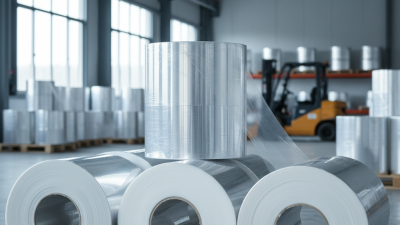
PVC wrap film is a thin, flexible material made mainly from polyvinyl chloride. Plasticizers and performance additives help it bend, cling, and resist tearing. The film usually sticks to trays, bowls, and smooth surfaces without separate adhesive.

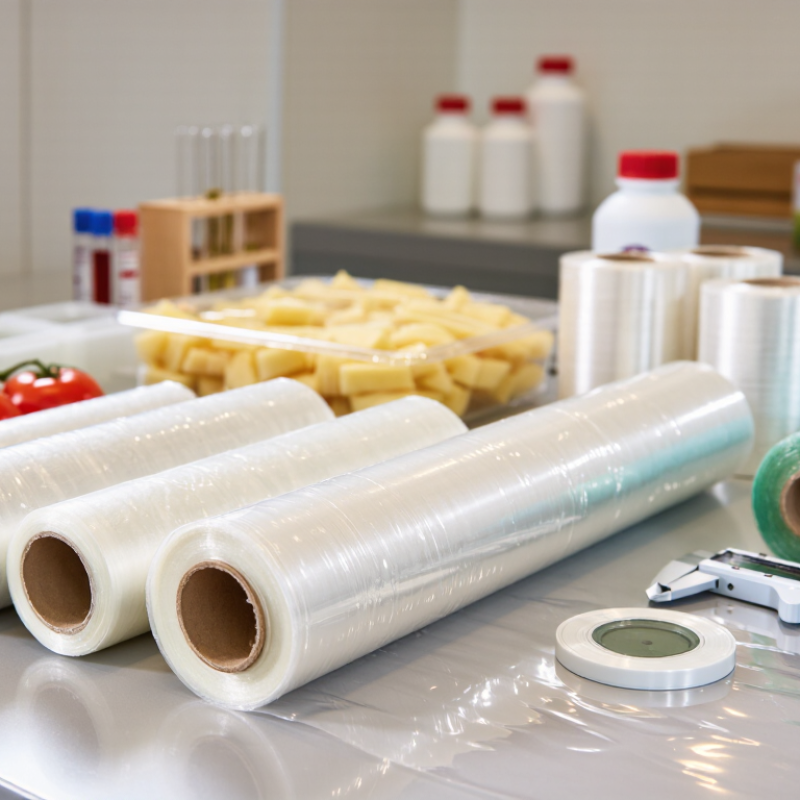
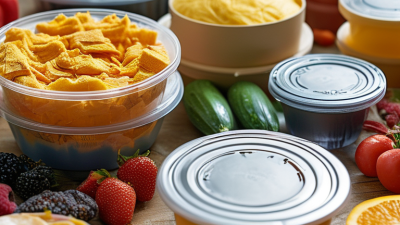
In food handling, Pvc Plastic Wrap can cover vegetables, cooked meals, meat, and bakery items. It reduces exposure to dust and helps slow moisture loss. Use it only when labeled for food contact. Follow the stated temperature limits carefully. It is not automatically suitable for ovens or microwaves. Small details matter.

Industrial users may wrap components, protect surfaces, or bundle lightweight products during storage. A practical quality check includes thickness, stretch, odor, clarity, and roll consistency. Ask for material specifications and food-contact test documents for the target market. China offers many production options, but lower price does not prove better performance. I would test several rolls before placing a large order. One film may cling well but tear at the corners. Another may look clear but release a strong odor. That weakness deserves attention.

Which PVC Wrap Film Types Are Made in China?

PVC Wrap Film from China: Which Types Are Made in China?

China produces several PVC wrap film types for different applications. The most familiar is soft PVC cling film for food packaging. It is transparent, flexible, and designed to seal bowls, trays, and fresh produce. Buyers should check thickness, cling strength, odor, and food-contact test reports. A clear film is not automatically suitable for food use.

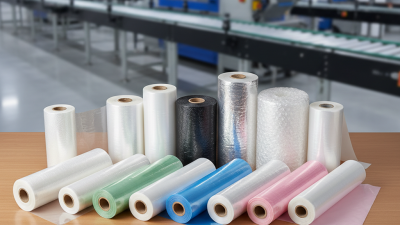
PVC shrink film is another common type. Heat makes it tighten around bottles, boxes, and bundled products. It can provide a neat appearance, but excessive heat may cause distortion or weak seals. PVC decorative wrap film is also widely manufactured. It may imitate wood, marble, metal, or solid colors for furniture panels and interior surfaces. These films often include adhesive layers and protective liners.

China also supplies self-adhesive PVC vinyl, transparent protective film, and flexible table-cover film. Each type needs different testing. For example, adhesive vinyl requires checks for peeling, residue, and color stability. Protective film needs reliable release performance. In sourcing inspections, I would examine roll edges, winding tension, surface dust, and printed measurements. Small defects matter.

The “best” film depends on use, not country alone. A cheaper roll may save money initially but create waste during application. I once underestimated storage conditions; heat changed the film’s flexibility. That mistake still matters. Request samples, technical data, and independent test evidence before placing a large order.

What Features Define High-Quality PVC Wrap Film?

High-quality PVC wrap film begins with controlled thickness, stable cling, and clean unwinding.
From production trials, I assess how the film behaves on real containers, not only in a sample packet. High cling performance PVC food wrap should grip containers without tearing during ordinary handling. Too much tack can create wrinkles, especially around sharp corners. Balanced adhesion matters more than maximum stickiness.

Clear film should remain transparent, with minimal haze, bubbles, or uneven edges. Check the roll closely. Reliable material should stretch consistently and resist punctures during wrapping. A strong film also separates smoothly from the roll without sudden snapping. Odor matters too. Food-contact applications require suitable raw materials, controlled additives, and documentation against applicable safety standards. Suppliers should provide traceable specifications, test reports, and batch information. Vague promises are not enough.

Testing should cover chilled storage, room-temperature handling, and repeated opening. Do not judge quality by appearance alone. A film may look excellent but unwind poorly on a busy packing line. That matters. Stable sealing can reduce waste and keep packaged food protected from air and moisture. Thickness alone does not define performance. Practical trials should include different container shapes, surface textures, and wrapping speeds. Try chilled products first; cold surfaces can expose weak cling quickly. Watch for edge lifting. Small defects often become expensive during daily production. I would still review each batch, because even a well-designed film can perform differently after storage or transport.

How Does Chinese PVC Wrap Film Compare by Performance?

Chinese PVC wrap film is not one uniform product. Its performance depends on resin quality, plasticizer control, thickness, and production discipline. In practical sourcing work, I compare more than price and appearance.

A useful test starts with thickness. A 10-micron film should stay close to its stated gauge across the roll. Uneven areas can tear during wrapping. I also measure tensile strength, elongation, cling, transparency, and puncture resistance. Good film stretches smoothly around a bowl without sudden splitting. It should cling firmly, but release without leaving heavy residue. On chilled containers, weak film may become stiff and lose contact.

Heat resistance also needs careful testing. Place wrapped samples near the intended temperature range, then check shrinkage, odor, and seal stability. For food-contact applications, request current material declarations and destination-market compliance documents. These papers need verification, not blind trust. A factory audit can reveal storage problems, dusty converting areas, or inconsistent roll winding.

I once selected a film because its clarity looked excellent under showroom lighting. It performed poorly in a cold-room trial. The lesson was uncomfortable: appearance predicts less than controlled testing. Chinese suppliers can offer competitive consistency, but buyers should compare retained samples from several production lots. Small differences matter. Ask for test conditions, not only test numbers.

What Is the Best PVC Wrap Film from China?

How Chinese PVC wrap film compares by performance

This benchmark uses a normalized 0–100 performance index based on commonly evaluated PVC film properties, including clarity, cling, stretchability, puncture resistance, and heat stability. Food-grade cling film typically performs best in clarity and adhesion, while industrial and decorative films provide stronger mechanical or heat-resistant performance. Results vary by thickness, formulation, plasticizer system, and testing conditions.

Which Factors Affect PVC Wrap Film Pricing?

The best Pvc Film from China is not always the cheapest roll. Pricing begins with the resin grade, thickness, width, and production volume. Virgin resin usually costs more than recycled content, but it often provides cleaner appearance and steadier stretch. Thickness also matters. A 12-micron film may cost far less than a 20-micron film, yet it can tear more easily during wrapping.

Clarity, cling strength, softness, and odor control affect the formulation. These properties require different additives and testing procedures. A film with strong cling may reduce material waste during application. However, excessive cling can make manual wrapping frustrating. One detail is easy to miss. Printing, edge trimming, and custom roll lengths can raise conversion costs. Buyers should request actual samples, not rely only on a specification sheet.

Factory efficiency, minimum order quantity, packaging, and shipping distance also influence the final price. Large orders may lower the unit cost, but they can increase storage pressure and cash risk. During supplier evaluations, check thickness tolerance across several points of one roll. Ask for test records, batch identification, and clear inspection terms. A low quotation sometimes excludes cartons, export packing, or replacement handling. That omission can distort the comparison. Price should be reviewed beside consistency, delivery reliability, and measurable performance.

How Can Buyers Select a Reliable Chinese PVC Film Supplier?

Choosing the best Film Pvc from China starts with evaluating the supplier, not only comparing prices. A reliable supplier should provide clear specifications for thickness, width, gloss, tensile strength, and shrinkage. Ask for recent test reports and a physical sample. A sample roll can reveal uneven coating, weak adhesion, or a strong odor that photographs cannot show. From practical purchasing experience, consistent communication often predicts better production control.

Tips: Request a small trial order before signing a large contract. Check whether the factory explains its raw material source, inspection process, packing method, and delivery schedule. Ask for batch records and confirm how complaints are handled. A supplier that answers slowly or avoids technical questions deserves careful review. Do not trust impressive certificates alone.

Visit the production site when possible, or arrange a live video inspection. Observe clean storage areas, labeled rolls, calibrated testing equipment, and clear quality checkpoints. Confirm the supplier understands your application, such as furniture wrapping, printing, or protective packaging. Some buyers focus too much on low cost. That can be a mistake. In reality, unstable thickness may create waste during slitting or installation. I would also compare two or three production batches, because one excellent sample may not represent normal output. Even experienced buyers can overlook this detail.

FAQS

What defines a high-quality PVC wrap film?

It should have even thickness, stable cling, clear transparency, and smooth unwinding. It must stretch without sudden tearing. The film should resist small punctures during normal wrapping. Strong adhesion is not always better. Excessive tack can create wrinkles around sharp corners.

How can buyers test film quality on real containers?

Wrap bowls, trays, and containers with different surface textures. Try chilled products first. Cold surfaces quickly reveal weak cling. Watch for lifted edges, wrinkles, and sudden splitting. Test repeated opening, not just one wrapping cycle.

Why does film thickness matter?

Stated thickness should remain consistent across the entire roll. Uneven gauge can cause tearing during wrapping or slitting. However, thickness alone does not guarantee good performance. A thicker film may still unwind poorly. That surprised me once.

What visual defects should buyers check?

Hold the roll under bright light. Look for haze, bubbles, uneven edges, and cloudy sections. Clear film should remain consistently transparent. Inspect the roll closely. Appearance can mislead buyers. A visually perfect sample may fail in cold storage.

How should cling and release be balanced?

The film should grip containers without leaving heavy residue. It should release smoothly from the roll during busy packing. Too little cling causes edge lifting. Too much cling creates folds and handling difficulty. Balanced adhesion matters more than maximum stickiness.

What safety information should suppliers provide?

Suppliers should provide material declarations, batch details, and current test reports. Food-contact applications require suitable raw materials and controlled additives. Buyers should verify documents against destination-market requirements. Do not rely on vague promises. Paperwork needs checking.

How can buyers evaluate a reliable supplier?

Request specifications for thickness, width, gloss, tensile strength, and shrinkage. Ask for a physical sample and a small trial order. Review raw material sources, inspection steps, packing, and delivery plans. A supplier should explain complaint handling clearly. Slow answers deserve attention.

Why are production trials and batch comparisons important?

One excellent sample may not represent regular production. Compare retained samples from at least two or three batches. Check unwinding, adhesion, odor, and roll winding. A factory visit can reveal dusty storage or weak inspection controls. I still miss details sometimes. That is why repeated testing helps.

Conclusion

Pvc Wrap Film is a flexible plastic material commonly used to protect, cover, bundle, and package products in food service, household, retail, construction, and industrial applications. Chinese manufacturers produce several types, including cling film, stretch film, protective film, printed film, and customized films with different thicknesses, widths, colors, and surface properties. High-quality film is defined by consistent thickness, strong tensile strength, reliable adhesion, good transparency, suitable flexibility, clean unwinding, and resistance to tearing or puncturing.

When comparing Chinese Pvc Wrap Film products, buyers should evaluate performance according to the intended application, including cling ability, durability, temperature tolerance, sealing behavior, and packaging efficiency. Pricing is influenced by raw material costs, film thickness, order quantity, customization, printing, packaging, production technology, and shipping requirements. To select a reliable supplier, buyers should review product specifications, request samples, confirm quality-control procedures, assess production capacity, verify communication and delivery reliability, and agree on clear inspection standards before placing an order.
Sophia

Sophia

Sophia is a dedicated marketing professional at Hebei Youer New Material Science and Technology Co., Ltd., a modern high-tech enterprise founded in 2007 in Shijiazhuang City, Hebei Province. With over a decade of specialization in film production, she possesses a profound understanding of the......
Previous What Is Stretch Film and What Types Are Available?