- admin@youerfilms.com
- Mon - Sat at 9:00AM to 18:00PM
Leave Your Message
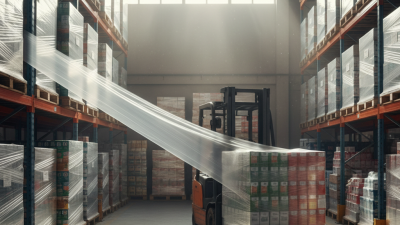
So, you're wondering how to pick the right stretch film for shipping stuff across the globe, right? Well, shipping worldwide means your pallets are constantly exposed to all sorts of challenges—vibrations, humidity, temperature swings, and repeated handling. That’s why choosing the right stretch film is such a big deal. It needs to resist punctures, keep tension, and protect your load without wasting too much material. According to a report from Smithers called 'The Future of Stretch and Shrink Films to 2028,' things like using thinner films, recycled materials, and stronger load holding are really important trends. And honestly, those things matter even more when your cargo travels through different climates and distribution routes.
Now, there's a standard guide—ASTM D4649—that suggests you consider the load weight, the shape of your pallet, how you’re wrapping, and how it’s going to be transported. For example, if you’re dealing with a heavy machine on a pallet, you’ll probably need a film that’s really resistant to punctures. On the other hand, a regular carton pallet might need better grip and less slipping. Also, don’t forget about your wrapping machine settings. If you stretch the film too much, it can cause unstable corners or crush the boxes. Not stretching enough, though? That can cause the load to shift or waste film. It’s all about finding that sweet spot.
And here’s something else to keep in mind: the US EPA reported that in 2018, about 82.2 million tons of municipal solid waste came from packaging, including stretch film. That really pushes home the importance of using material efficiently. But don’t assume that the thinnest film is always the best choice. David Platt, a packaging analyst at Smithers, puts it nicely: 'The best film isn’t the thinnest—it's the one that secures the load with the least amount of material.' Basically, you need to test it thoroughly—look at how much force is needed to lift or shift the load, check its puncture resistance, and see how stable your pallet stays during a trip. Sometimes, going for the cheapest roll ends up costing you more in the long run. It’s all about making smart, measured choices.
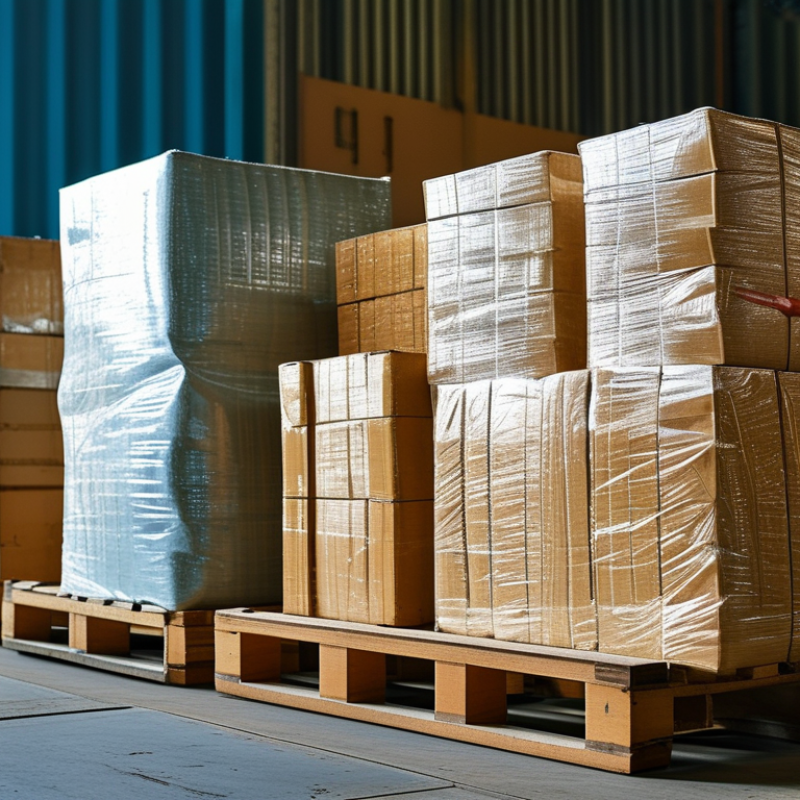
Choosing stretch film starts with the shipment, not the film roll. Pe Stretch Film is commonly made from polyethylene and is used to stabilize palletized goods. Its main forms include hand film, machine film, pre-stretched film, cast film, and blown film. Each type behaves differently during wrapping, storage, and transport.
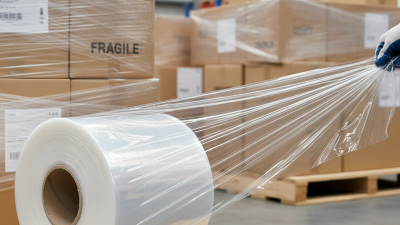
Hand film suits small warehouses and occasional shipments. It allows workers to adjust tension around uneven cartons. Machine film works better for regular export volumes and consistent pallet sizes. Pre-stretched film requires less force during application and can reduce worker fatigue. Cast film unwinds quietly and offers clear visibility for barcode checks. Blown film is often tougher against punctures, making it useful for rough cartons, sharp edges, or mixed loads.
Global shipping adds more variables. A pallet crossing humid ports may need strong holding force and careful overlap. Cold routes can change film flexibility. Long sea journeys also expose loads to vibration, leaning, and repeated handling. Test the selected film on the actual pallet pattern. Watch the bottom corners. Weak wrapping often starts there.
Do not choose only by thickness. A thin film may perform well with a stable load, while a heavier film may be wasteful. I have seen teams trust familiar settings too much. That assumption can fail when carton weight changes. Record film usage, damaged cases, and loose pallets after trial shipments. Then adjust tension, overlap, and wrapping speed. The best choice is sometimes less obvious than expected.
| Stretch Film Type | Typical Thickness | Typical Stretch Range | Key Performance Characteristics | Best-Suited Cargo and Shipping Modes | Climate and Route Considerations | Recommended Use Case | Selection Notes |
|---|---|---|---|---|---|---|---|
| Hand Stretch Film | 12–30 microns | 50%–150% | Flexible, easy to apply, widely available, and suitable for low-to-medium pallet volumes. Performance depends strongly on wrapping technique and film tension. | Mixed pallets, cartons, spare parts, retail replenishment, and short-to-medium distance road or ocean shipments. | Use additional corner protection in hot climates or during long ocean routes. Avoid excessive tension on lightweight cartons. | Manual wrapping of irregular loads or shipments with changing pallet sizes. | Choose a film with a suitable handle or dispenser. A thicker film is not automatically stronger; puncture resistance and load retention are also important. |
| Machine Stretch Film | 12–35 microns | 150%–300% | Provides more consistent tension, better load containment, and higher wrapping productivity than manual application. | High-volume palletized goods, distribution centers, container loading, and regular export shipments by road, rail, sea, or air freight. | Pre-test film tension and machine settings when routes pass through large temperature or humidity changes. | Standardized export packaging with automated or semi-automated wrapping equipment. | Film width, roll length, core size, and machine compatibility must match the wrapping equipment. Excessive pre-stretch can reduce puncture performance. |
| Pre-Stretch Film | 8–23 microns | Up to approximately 250% during application | Film is partially stretched during manufacturing, requiring less force during wrapping and generally using less material per pallet. | Stable cartons, lightweight products, parcel consolidation, and operations focused on reducing film consumption. | Best for uniform loads. For hot, cold, or vibration-intensive routes, verify retained tension after conditioning. | Cost- and material-efficient wrapping where loads have regular shapes and good carton stability. | Usually less suitable for sharp edges, highly irregular loads, or products that need maximum puncture resistance. |
| Cast Stretch Film | 10–30 microns | 100%–300% | High clarity, quiet unwinding, consistent thickness, and good cling. It is generally easy to inspect through during receiving and customs handling. | Consumer goods, food and beverage secondary packaging, warehouse distribution, and shipments requiring visible load identification. | Good for routes where visual inspection matters. Confirm the film’s low-temperature performance for refrigerated or winter transport. | Clear wrapping for routine pallet loads and operations where low application noise is valuable. | Cast film typically offers less tear propagation resistance than blown film of a comparable gauge, so use edge protection for sharp or heavy loads. |
| Blown Stretch Film | 12–35 microns | 100%–250% | High puncture and tear resistance, strong load holding, and good performance on uneven or sharp-edged products. It generally produces more noise during application. | Metal parts, timber products, construction materials, machinery components, and dense export pallets exposed to handling stress. | Well suited to long multimodal routes with repeated loading and unloading. Use UV-stabilized film when cargo may be stored outdoors. | Heavy, irregular, sharp-edged, or high-value loads requiring extra resistance to punctures and tears. | Clarity may be lower than cast film. Higher application force and noise should be considered in manual or warehouse operations. |
| High-Performance / Engineered Film | 9–23 microns | 200%–350% or more, depending on grade and equipment | Designed to provide high load containment with reduced film usage. Performance depends on resin structure, film design, and correct machine settings. | Large export programs, automated distribution centers, full-container shipments, and operations with measurable packaging-reduction targets. | Validate performance with route simulation or transit trials, especially for temperature cycling, vibration, and long dwell times. | High-volume global shipping where material efficiency and consistent machine wrapping are priorities. | Do not select by thickness alone. Compare containment force, puncture resistance, stretch capability, and total film consumption per pallet. |
| Colored or Opaque Stretch Film | 15–30 microns | 50%–250% | Provides load identification, visual separation, and limited concealment of pallet contents. Mechanical performance varies by film construction. | Mixed-SKU exports, returns, confidential products, quarantine goods, and shipments requiring color-coded warehouse handling. | Use clear documentation and labels for customs and receiving inspection. Confirm UV resistance if the load may remain outdoors. | Cargo segregation, security-conscious handling, or color-coded international distribution programs. | Opaque film does not replace tamper-evident packaging or cargo security controls. Ensure labels remain readable after wrapping. |
| UV-Stabilized Stretch Film | 15–30 microns | 100%–250% | Contains additives intended to slow degradation caused by ultraviolet exposure during outdoor storage or transport. | Outdoor storage, agricultural products, building materials, project cargo, and containers or trailers exposed to sunlight. | Required service life depends on sunlight intensity, climate, film formulation, and storage duration. Confirm the supplier’s tested UV exposure period. | Global routes involving open-yard storage, transshipment delays, or partially exposed cargo. | UV stabilization does not make the film waterproof or suitable for permanent outdoor storage. Add a cover when moisture protection is required. |
| Ventilated Stretch Film | 15–30 microns | 50%–200% | Perforations or ventilation zones allow air movement and moisture release while maintaining pallet cohesion. | Fresh produce, flowers, plants, chilled goods, and products that require airflow during cold-chain handling. | Coordinate film ventilation with refrigeration, humidity control, and packaging requirements. It is not a substitute for temperature-controlled transport. | Perishable or temperature-sensitive loads where condensation and air circulation are concerns. | Ventilation reduces the film’s continuous barrier effect. Use only when airflow is more important than maximum dust or moisture exclusion. |
| Specialty High-Cling Film | 12–30 microns | 100%–250% | Formulated with enhanced cling or differential cling to improve film-to-film bonding and reduce the need for additional fastening. | Stable cartons, mixed pallet loads, and shipments where movement between layers is a recurring issue. | Evaluate cling under cold storage and high-humidity conditions because surface behavior can change with temperature and contamination. | Loads requiring improved layer adhesion without applying excessive tension. | Excessive cling can make application difficult or leave residue on sensitive surfaces. Test compatibility with printed cartons and finished goods. |
Note: The ranges shown are common industry reference values and may vary by resin structure, film design, equipment, pallet geometry, load weight, and supplier specification. For international shipping, validate the selected film through a transit trial that includes vibration, compression, temperature changes, humidity, and repeated handling.
China BOPP Pearlized Film suppliers provide glossy, moisture-resistant materials designed to meet the demanding needs of label printing factories. Produced from premium polypropylene resin, this film is manufactured through advanced biaxial stretching and pearlizing technology, creating an attractive pearlescent surface with a soft, refined texture. Its bright appearance helps labels stand out on retail shelves while supporting a clean and elegant visual effect.
The film offers reliable moisture resistance and effective barrier performance, helping printed labels maintain their appearance in humid environments or during routine handling. Its smooth, printable surface is compatible with a variety of printing processes, allowing factories to produce vivid graphics, fine text, and decorative effects with consistent quality. Stable film structure also supports efficient converting and high-speed label production.
In addition to label printing, BOPP Pearlized Film is suitable for lamination, premium packaging, decorative printing, and elegant gift wrapping. Its combination of gloss, flexibility, printability, and barrier protection gives manufacturers greater design freedom while improving the perceived value of finished products. With dependable production capabilities and customizable specifications, Chinese suppliers can support different roll sizes, thickness requirements, and packaging applications.
: Stretch film stabilizes palletized goods during storage, handling, and transport. It helps reduce shifting, leaning, and loose cartons.
Hand film suits occasional shipments and small warehouses. Workers can adjust tension around uneven cartons. It takes more physical effort.
Machine film suits regular export volumes and consistent pallet sizes. It provides repeatable tension and wrapping speed.
Pre-stretched film needs less force during application. It may reduce worker fatigue. Its holding performance still requires testing.
Cast film unwinds quietly and offers clear barcode visibility. Blown film usually resists punctures better, especially around sharp carton edges.
Record total weight, height, footprint, and center of gravity. Heavy crates need stronger holding force and puncture resistance.
No. A thin film may secure a stable load effectively. A thicker film can become wasteful without improving stability.
Wrap actual pallet patterns and inspect the bottom corners. Simulate vibration, temperature changes, and repeated handling. Record damaged cartons and loose pallets.
Adjust tension, overlap, wrapping speed, and extra passes around the base and top. Results can vary unexpectedly. Review the data, not assumptions.
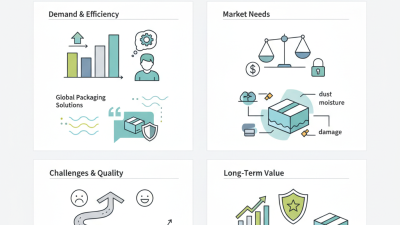
Choosing the right Stretch Film for global shipping begins with understanding the available film types and their intended applications. Evaluate the load’s weight, shape, edges, stability, and wrapping method before selecting a suitable product. Film thickness, tensile strength, puncture resistance, and stretch capability should match the demands of the shipment, helping maintain secure containment without unnecessary material use. Manual, machine, pre-stretched, and specialized films each offer different benefits depending on shipment volume, labor availability, and packaging requirements.
Environmental and logistical conditions are equally important. Consider climate, temperature changes, humidity, transit distance, storage duration, and the likelihood of rough handling when comparing film performance. Buyers should also review recyclability, responsible material use, packaging regulations, total cost, and supplier reliability. A well-matched film can reduce load damage, improve handling efficiency, and support more consistent shipping outcomes across different routes and operating conditions.