When you're choosing the right adhesive film in 2026, it’s really about what the product needs to do—more than just catchy slogans. Think about it: a film that goes on a curved appliance panel faces totally different demands than one meant for a flat cardboard box or a window. Before you start comparing brands, take a moment to define your surface—smooth, textured, painted, or maybe even sensitive to pressure. Also, consider how exposed it’ll be, how long you need it to last, and how you’ll remove it later on. Once you’ve got that down, look into the adhesive type, the film thickness, temperature range, and how well it resists moisture, sunlight, or cleaning chemicals. Little details like these really do matter. Sure, a spec sheet can help, but it can’t predict everything that’ll happen in the real world. That’s why it’s a good idea to test a sample on your actual surface, using the same method you plan to install it and giving it enough dwell time. That simple step can save you from surprises like edges lifting, bubbles, sticky residue, or color shifts.
And when you’re comparing options, don’t be shy—ask your suppliers for detailed technical info, recommended application conditions, and tips on storage and shelf life. Look for solid evidence behind their claims about durability or removability. Vague promises don’t cut it. Also, remember to consider the full cost—not just the price of the film, but also surface prep, installation time, waste, and how often you'll need to replace it. Take a look at packaging and disposal info too, but don't fall for the assumptions that come with a “green” label alone—sometimes they’re not the full story. The best choice isn’t usually the one with the most features; it’s the one that consistently meets your actual needs with reasonable compromises. Sometimes, you’ll still need some trial and error, and that’s totally normal. When you’re planning for 2026, this guide can really help by giving you a practical way to evaluate performance and verify what suppliers claim. It’s all about making sure you match the right film to the job before one small decision turns into costly rework down the road.
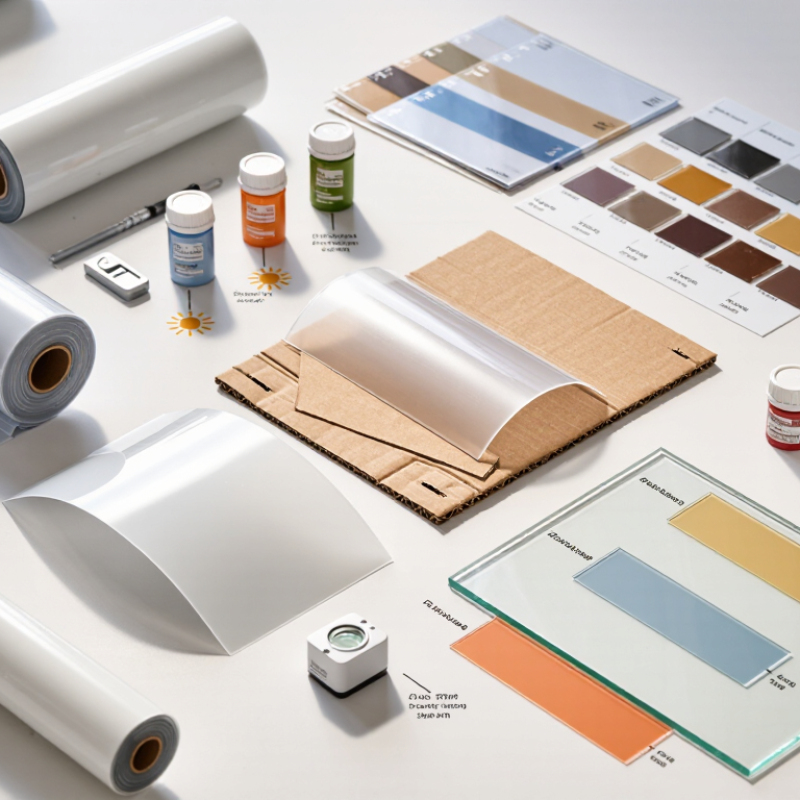
An adhesive film is a thin material with a backing layer and a tacky adhesive beneath it. During storage, a release liner protects the adhesive. Peel the liner away, position the film, and press it onto a clean surface. Pressure helps the adhesive make close contact with tiny surface features. It does not work like liquid glue that hardens after application. Many films use pressure-sensitive adhesives, which bond through contact and may gain strength over time. That sounds simple.
Adhesive Window Film shows how the same principle can be used on glass. Dust, fingerprints, or leftover cleaner can create visible bubbles or weak spots, even when the film looks properly aligned. A dry, lint-free surface and steady pressure help, but installation conditions matter too. Temperature and the type of glass can affect handling and adhesion, so check the product’s instructions and test a small area when possible. Small details matter. It is tempting to blame the film when an edge lifts, but the cause may be surface preparation, pressure, or an unsuitable application. These factors are easy to miss.
Adhesive film is a thin layer of bonding material, often supplied with a release liner. Pressure-sensitive films bond when pressed against a surface; other film adhesives may require heat or curing. Start by matching the adhesive chemistry to the application’s temperature requirements.
How to read this chart: The bars show broad, representative continuous-use temperature ranges for common pressure-sensitive adhesive chemistries. Actual limits vary by formulation, substrate, exposure time, and test method, so confirm the product datasheet before choosing a film.
Before comparing adhesive films, describe the actual joint and what it must do. Name both substrates, such as painted aluminum and textured ABS, rather than calling them simply “metal” and “plastic.” Note whether the bond must resist peeling, sliding, vibration, or repeated handling. Small details matter. A film that holds two flat panels may fail on a curved edge where peel forces concentrate.
Record the bonding conditions: surface cleanliness, application temperature, pressure, and available dwell time. Also consider the service environment. Will the assembly face sunlight, moisture, cleaning chemicals, or temperature swings? Specify the expected range and exposure duration when possible. If the surface is dusty, oily, low-energy, or uneven, say so; these conditions can change adhesion considerably. Don’t assume a stronger film fixes poor surface preparation.
Match the film’s properties to the job. Thin films suit close-fitting surfaces, while thicker layers may accommodate small irregularities, but they cannot replace proper joint design. Check technical data for substrate compatibility, temperature limits, and peel or shear performance. Treat published values as a starting point, not a guarantee for your assembly. Test representative samples using the real materials and preparation steps, then inspect the bond after the actual dwell time and environmental exposure. A quick hand pull can reveal problems, but it is not a controlled strength test.
Choosing the best Self-Adhesive Protective Film begins with the surface and the job. Polyethylene films are flexible and often suit temporary protection on broad panels. Polypropylene can feel stiffer and may resist scuffing during handling. Polyester is thinner, dimensionally stable, and useful when clear visibility matters. It can be less forgiving on curved edges. Material names alone do not guarantee performance.
Adhesive chemistry changes how a film grips and releases. Acrylic adhesives generally offer stable adhesion over time, though bonding may build gradually. Rubber-based adhesives can grab quickly, which helps during fast application, but heat and aging may affect performance. Silicone adhesives can release cleanly from some sensitive surfaces, yet they may cost more and need careful matching. Small differences matter. A film that lifts easily from glass may cling too strongly to a painted panel.
Test the actual combination before ordering a full roll. Apply a sample to a clean, dry section, press it with similar pressure, and check it after several hours and days. Look for edge lift, haze, trapped dust, and residue after removal. Also consider sunlight, temperature, and how long the film will remain in place. There is no perfect universal option; even a sensible shortlist can miss an unexpected surface reaction.
How to Choose the Best Adhesive Film in 2026?
Choosing adhesive film means matching measured performance to the surface and exposure—not chasing one impressive rating. Peel, shear, and tack describe different behaviors. The Pressure Sensitive Tape Council’s test methods treat them as separate measurements. ASTM D3330 evaluates peel adhesion; ASTM D3654 measures holding power under static load. Request the test value, angle, dwell time, substrate, and conditioning details. Without those details, numbers mislead.
Grand View Research’s Pressure Sensitive Adhesives Market Size report valued the global market at USD 10.4 billion in 2023. It projected a 5.6% compound annual growth rate through 2030. That market growth is not a performance guarantee. Test candidate films against expected heat, humidity, water, oils, or UV exposure. ASTM G154 describes accelerated fluorescent-UV weathering tests. Measure peel or shear retention after conditioning, not only initial adhesion. A common blind spot: laboratory panels are cleaner than production surfaces.
A cold warehouse door, hot equipment housing, and damp carton need different resistance profiles. Check service temperature, surface texture, liner removal, and residue after aging. A film that bonds firmly to clean steel may lift from textured polyethylene. Use samples prepared like the real production surface. Even an imperfect test can reveal weak points, but record the conditions so results remain useful.
| Adhesive Film Type | Bond Strength Profile | Typical Service Temperature | Aging and Durability | Moisture Resistance | UV and Weather Resistance | Chemical Resistance | Best-Fit Applications |
|---|---|---|---|---|---|---|---|
| Acrylic pressure-sensitive adhesive (PSA) film | Medium to high after adequate dwell time; generally provides a durable bond on many metals, glass, and plastics. | Often about −40 to 150 °C; the continuous-use limit is formulation-specific. | Generally good resistance to heat aging and long-term adhesion loss. | Good to very good for many grades; edge exposure and the bonded material can affect results. | Generally good to very good, making it a common choice for outdoor applications. | Moderate to good; performance varies by chemical, concentration, exposure time, and grade. | Labels, protective films, mounting, laminating, and general-purpose bonding. |
| Rubber-based PSA film | High initial tack and quick grab; ultimate strength and long-term stability can be lower than those of suitable acrylic systems. | Often about −20 to 80 °C; heat resistance is typically more limited than that of silicone systems. | Good for many indoor uses, but heat, oxidation, and extended aging can reduce performance. | Low to moderate; prolonged water exposure may weaken some formulations. | Generally low to moderate; extended sunlight and weather exposure can cause degradation. | Often limited, especially with oils, fuels, and some solvents. | Indoor packaging, temporary mounting, and applications that benefit from fast initial adhesion. |
| Silicone PSA film | Moderate on many conventional surfaces; can provide strong adhesion to silicone materials and retain tack at temperature extremes. | Often about −50 to 200 °C; verify the grade’s continuous and short-term limits. | Very good resistance to temperature cycling and aging in appropriately designed systems. | Very good for many grades. | Very good to excellent; commonly selected for demanding outdoor or high-temperature conditions. | Good against many chemicals, but not universally resistant; test against the specific exposure. | High-temperature masking, silicone surface bonding, and specialty electrical or industrial applications. |
| Epoxy structural adhesive film | Very high structural shear strength after the specified cure; generally rigid and less suited to flexible peel-type joints. | Often about −55 to 120 °C for general structural formulations; specialized grades may differ substantially. | Very good when correctly cured and protected; joint performance depends on design and cure control. | Good to very good after cure, subject to formulation and joint design. | Often limited for direct outdoor exposure; some formulations discolor or degrade under UV without protection. | Generally good after cure, but resistance is chemical- and formulation-specific. | Structural bonding of prepared metal or composite parts where controlled curing is available. |
| Reactive polyurethane (PUR) adhesive film | High structural bond strength with greater flexibility than many epoxy systems; strength depends on activation and cure conditions. | Often about −40 to 100 °C; confirm the limit for the specific film and exposure duration. | Good when correctly processed; heat, moisture, and hydrolysis resistance vary by chemistry. | Good for many grades after cure; continuous hot-water exposure requires specific verification. | Variable; outdoor suitability depends on formulation and exposure, and may require protective layers. | Moderate to good, with resistance varying by solvent, chemical, and grade. | Flexible laminates, composites, footwear, and applications needing a tough structural bond. |
Selection note: “PSA” means pressure-sensitive adhesive and usually bonds without a separate cure step; epoxy and reactive polyurethane films require activation or curing. Performance ratings above are qualitative comparisons, not standardized pass/fail values. For a direct comparison, test the actual film and substrate combination using relevant methods such as ASTM D3330 for peel adhesion or ASTM D3654 for holding power, and follow the film supplier’s temperature and chemical-resistance data.
Choosing adhesive film starts with the surface, not the product sheet. Polypropylene, paper, coated cartons, and recycled board each behave differently. Check surface energy, texture, dust, and any release coating. A clean sample is useful. A production sample is better.
For packaging, Adhesive tape base grade BOPP film can suit lightweight, smooth cartons, but the adhesive system matters just as much. Test peel and holding power after application, then repeat in the cold, humidity, or warmth expected during storage. Press it down consistently. Wait before judging. A rushed test can flatter a weak bond. Compare unwind force and film stretch on the actual line; small differences can become frustrating at speed. The results may not be tidy.
Safety deserves equal attention. Review technical and safety documentation, ventilation needs, and handling instructions for the adhesive and any coating. Ask suppliers for relevant composition and compliance information, then check it against the intended use and destination requirements. Do not infer safety from a low odor.
Sustainability is more than a recyclable label. Consider film thickness, recycled content, packaging format, and whether local facilities can process the finished pack. A thinner option may reduce material, yet fail if it causes more damaged cartons. Run a small trial and record waste, bond failures, and line stoppages.
Test candidate films under the conditions they will actually face. A clean laboratory bench can hide problems caused by dust, cold, or curved surfaces. Prepare identical samples and record film thickness, substrate, application pressure, and dwell time. Then measure peel adhesion using ASTM D3330 procedures. Check holding power under ASTM D3654, especially for labels or mounted parts that carry sustained loads. Small differences matter.
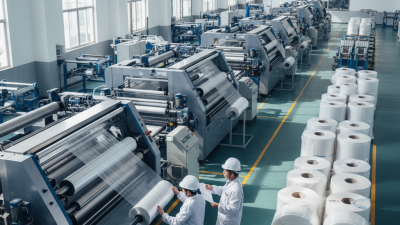
Grand View Research estimated the global pressure-sensitive adhesives market at USD 13.3 billion in 2023, with projected growth of 5.4% annually through 2030. That market figure is not a film-performance score. It does signal why buyers should compare test evidence, not rely on broad product claims. For Adhesive tape manufacturing BOPP film base, inspect tensile strength, elongation, thickness consistency, and unwind behavior. Test rolls from different production lots; one good sample proves little.
Verify quality controls before approving a supplier. Request certificates for the relevant quality-management system, plus batch-level test reports with methods, limits, and actual results. ISO 9001 certification supports process control, but does not guarantee a specific film’s performance. Ask for aging and humidity data, then repeat key tests after conditioning. I would also keep retained samples. It is easy to overlook storage effects, and that is a real weakness in many comparisons.
BOPP clear film continues to serve packaging and adhesive tape markets where product visibility, reliable protection, and efficient converting are important. Market demand is shaped by the need for lightweight materials that can support clear product presentation while resisting moisture, dust, and everyday handling. Performance comparisons increasingly consider not only transparency, but also tensile strength, dimensional stability, stiffness, surface smoothness, printability, and compatibility with lamination. These properties help converters balance appearance, durability, and processing efficiency across flexible packaging, labels, and tape applications.
Manufactured in China from high-quality polypropylene resin using biaxial stretching technology, BOPP Clear Film offers a smooth, transparent surface and dependable mechanical performance. Its clarity keeps packaged goods visible, while its moisture resistance and scratch protection support product presentation during storage and distribution. The film’s stable dimensions and stiffness aid consistent processing, and its surface can support sharp printing and strong lamination adhesion when matched with suitable inks and adhesives. For food packaging, consumer goods, stationery, surface protection, and industrial packaging, this versatile material provides a cost-effective option for manufacturers seeking consistent quality and good processability.
Name both surfaces, such as painted aluminum and textured plastic. Note whether the joint faces peeling, sliding, vibration, or repeated handling.
Dust, oil, texture, and low-energy surfaces can weaken adhesion. Record cleaning steps and application pressure. Clean surfaces help, but they do not solve every problem.
Flexible polyethylene may suit broad panels. Stiffer polypropylene can resist handling scuffs. Thin polyester offers clear visibility, but may struggle on curved edges.
Acrylic may build adhesion gradually. Rubber-based adhesive can grab quickly, though heat and aging may affect it. Silicone can release cleanly from some sensitive surfaces. Test the pairing.
Not necessarily. Peel, shear, and tack measure different behaviors. Check the test conditions, substrate, and dwell time behind each value.
Apply a sample to the real surface with similar pressure. Inspect it after hours and days for edge lift, haze, dust, or residue.
Check expected heat, cold, humidity, water, oils, sunlight, and cleaning chemicals. A damp carton and a hot equipment housing need different resistance profiles.
It may accommodate small irregularities, but cannot replace sound joint design. Test representative parts after the expected exposure. A quick hand pull is only a rough clue.
Choosing the best Adhesive Film in 2026 starts with understanding how it works: a thin adhesive layer bonds surfaces when the film is applied under suitable conditions. First define the application, including the substrates, operating temperature, exposure to moisture or chemicals, and whether the bond must be permanent or removable. These requirements help narrow the options by film material and adhesive chemistry.
Next, compare candidate films for bond strength, flexibility, durability, and resistance to environmental conditions. Check that the adhesive is compatible with each substrate and consider relevant safety and sustainability factors. Before making a final choice, test samples in conditions that reflect actual use, following the recommended application process. Verify that the product’s quality information and specifications meet your performance requirements, so the selected film provides a reliable bond throughout its intended service life.