When it comes to packaging, picking the right material is a pretty big deal. You’ve probably heard of Stretch Film, and honestly, it’s become a go-to choice for a lot of companies these days. Why? Well, it’s super versatile and works really well. If you're serious about keeping your stuff safe during transit or handling, this stuff is often the answer.
One of the coolest things about Stretch Film is its clinginess. It sticks so well that your items stay securely wrapped, helping cut down on potential damage. Plus, it’s lightweight, which means it can even help save some bucks on shipping costs. Many businesses have found that incorporating Stretch Film into their packing routine just makes everything smoother and quicker.
That said, not all Stretch Films are created equal. There’s quite a bit of variation in quality depending on who makes it, so it’s really important to pick a trustworthy supplier. While it ticks a lot of boxes, it’s wise to think about what your specific needs are before jumping in. Taking a good look at both the pros and cons of Stretch Film can help you figure out what’s best for your packing game.
What is Stretch Film and Its Common Uses?
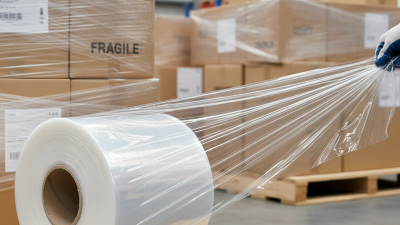
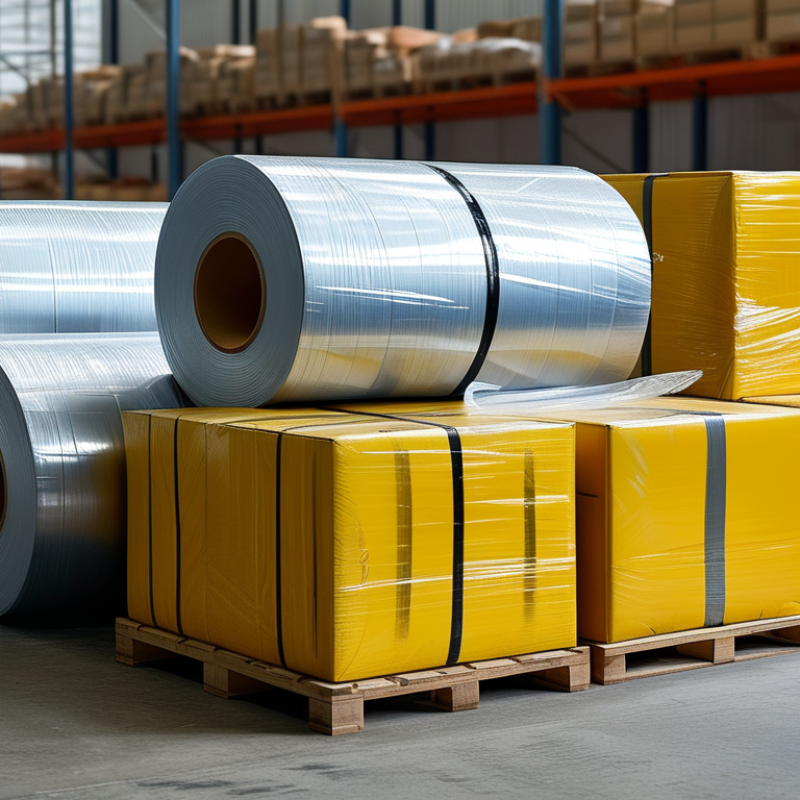
Stretch film is a versatile packaging material used in various industries. Made from linear low-density polyethylene, it is designed to cling tightly to products, ensuring safety during transport. Commonly seen in warehouses, it provides excellent durability and resistance to punctures. Its stretchability allows it to secure items tightly, minimizing the risk of damage.
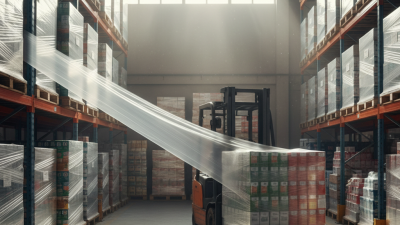
Companies often use stretch film for pallet wrapping. This method enhances stability for stacked goods. The transparent nature of stretch film allows for easy identification of products. It also protects against dust and moisture, which can compromise quality. Not all stretch films are created equal; selecting the right type is crucial for effective packaging.
Pe Stretch Film stands out due to its ability to conform to various shapes and sizes. However, users sometimes note issues with adherence, especially in humid conditions. Reflecting on these challenges can lead to better practices and material choices. As with any packaging solution, understanding the specific needs of your products is key.
The Benefits of Using Stretch Film in Packaging
Stretch film is a versatile packaging solution that brings a multitude of benefits. Its ability to cling tightly around products makes it ideal for securing items during storage and transport. Unlike other materials, stretch film conforms to the shape of the products, reducing the risk of damage. This snug fit also helps prevent dirt and moisture from reaching the items, ensuring they arrive in perfect condition.
Another advantage of stretch film is its cost-effectiveness. This lightweight material minimizes shipping costs due to lower freight weight. The transparent nature of the film allows for easy visibility, enabling quick inspection of packaged goods. However, it's important to consider that the quality of stretch film can vary. Not all films provide the same level of strength and durability. Businesses must invest time in selecting the right type of stretch film that suits their specific packaging needs.
Moreover, using stretch film contributes to sustainability efforts. Many modern stretch films are made from recyclable materials, supporting environmental initiatives. Yet, the sheer convenience may lead some to overlook proper disposal methods. It's crucial for businesses to educate their teams on the correct practices to ensure responsible usage. Balancing efficiency with environmental responsibility can be challenging, but it's worth the effort for a better tomorrow.
Types of Stretch Film: Choosing the Right One for Your Needs
When selecting the right stretch film for packaging, understanding the various types is crucial. Different applications require different film properties. For example, cast stretch film offers clarity and quiet unwinding, making it ideal for retail displays. On the other hand, blown stretch film provides more strength and puncture resistance, benefiting heavy-duty applications. According to a recent market analysis, the global stretch film market is projected to grow significantly, driven by increased demand in the food and beverage industry.
Using the right type of stretch film can enhance your packaging efficiency. Stretch Film Roll used in bundling products can reduce shipping costs. Moreover, using pre-stretched films can save material while ensuring product safety. A report from the Packaging Institute highlighted that efficiency improvements can reduce waste by up to 20%. Such advancements not only save costs but also contribute to environmental sustainability.
Consider the roll dimensions and thickness when choosing a stretch film. Too thin might lead to tears, while overly thick can result in excess weight. Choosing the right film should also align with your specific packaging needs. For retailers, ensuring the film is easy to dispense can improve productivity. A quote from the Packaging Machinery Manufacturers Institute states that companies can increase output by 30% with the right equipment and materials.
How to Properly Apply Stretch Film for Optimal Results
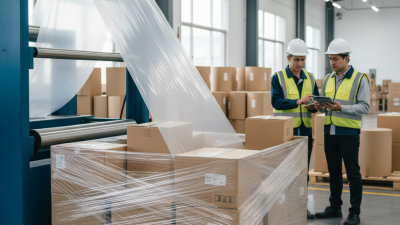
Applying stretch film correctly enhances the protection and stability of your packages. Start by choosing the right Hand Stretch Film. This material is essential for ensuring a secure hold around your items. It provides excellent cling properties while being easy to apply. Always begin with a clean surface. Any dirt can compromise the effectiveness of the film.
When wrapping, keep the film taut, but don’t over-stretch it. This may lead to tearing. Adjust the tension as you work your way around the item. It's often effective to wrap in a crisscross pattern for added security. Take note of the corners and edges; ensure the film covers these areas well. Leaving gaps may lead to damage during transport.
Lastly, consider the thickness of the film you choose. Thicker films often provide better protection but may be less easy to handle. Remember, practice makes perfect. If your first attempts don't yield optimal results, reflect on your technique. Observing others can also provide insights for improvement.
Why Choose Stretch Film for Your Packaging Needs? - How to Properly Apply Stretch Film for Optimal Results
| Feature |
Description |
Benefits |
Proper Application Technique |
| Durability |
Stretch film is designed to withstand punctures and tears. |
Protects products during shipping and storage. |
Ensure the film is stretched properly to enhance its strength. |
| Clarity |
Transparent film allows for easy visibility of packaged goods. |
Facilitates inventory checks and product visibility. |
Apply the film at an angle to visualize the contents better. |
| Versatility |
Can be used for various products, from small items to large pallets. |
Suitable for different industries and applications. |
Use appropriate width and thickness based on item size. |
| Cost-Effectiveness |
Lower material cost compared to other packaging solutions. |
Reduces overall packaging expenses. |
Use a dispenser for efficient application and reduced waste. |
| Recyclability |
Many stretch films are recyclable. |
Supports sustainability efforts. |
Check local recycling regulations for proper disposal. |
Cost-Effectiveness of Stretch Film in Packaging Solutions
Stretch film has emerged as a popular choice in packaging due to its cost-effectiveness. According to industry data, using stretch film can reduce packaging costs by up to 30%, compared to traditional materials. This is especially appealing for businesses looking to optimize their shipping budgets and reduce waste. The lightweight nature of stretch film also contributes to decreased freight costs, allowing companies to save on overall logistics.
When considering different packaging options, businesses often overlook the benefits of stretch film. It offers superior stretchability, enabling it to cling tightly to products. This results in minimized product damage during transit. Research indicates that products wrapped in stretch film are less likely to incur damages, which can ultimately save on replacement costs.
Proper usage of stretch film matters. Invest in training for staff on effective wrapping techniques. Poor execution can lead to product exposure and increased spoilage. Regularly assess your inventory to ensure minimal waste. By being mindful of how stretch film is applied, businesses can fully leverage its benefits while reducing overall costs.
Environmental Considerations of Stretch Film Usage
The environmental impact of packaging materials is becoming increasingly important.
Stretch Film Wrap, while effective for protecting goods, poses sustainability challenges. According to the Plastics Industry Association, around 30% of plastic waste comes from packaging. Stretch Film Wrap contributes to this issue due to its single-use nature.
However, advancements are emerging. Biodegradable options of Stretch Film Wrap are gaining traction. The global green packaging market is projected to reach $350 billion by 2027, highlighting a demand for sustainable choices. Companies are encouraged to explore these alternatives. They can reduce landfill contributions and lower their carbon footprint.
Recycling systems for Stretch Film Wrap remain underdeveloped. The industry often lacks standardized practices. Many consumers and businesses may not know that Stretch Film Wrap can be recycled. This gap in knowledge leads to significant waste. Effective awareness campaigns on proper disposal methods are essential to improve recycling rates.
Tips for Storing and Recycling Stretch Film Efficiently
Stretch film is a versatile packaging material, but its proper storage and recycling are crucial for efficiency and sustainability. To store stretch film effectively, maintain a stable environment. Excessive heat can degrade the material, making it less effective. Studies indicate that temperatures above 80°F can significantly reduce the film's tensile strength. Keeping rolls upright prevents deformation and preserves performance.
Recycling stretch film poses challenges but is essential. Industry reports show that nearly 30% of all plastic waste in landfills is stretch film. Many recycling facilities accept it but require cleanliness. Contaminants like dirt or adhesive can hinder the recycling process. Using designated bins at workplaces can help collect clean stretch film, improving the chance of recycling. Educating employees about proper recycling practices can boost recycling rates and reduce waste.
The impact of improper handling is substantial. Many companies still dispose of stretch film incorrectly. This not only affects their sustainability goals but also the environment. Understanding the nuances of stretch film storage and recycling can lead to better practices. Proactive measures can help in creating a more sustainable future.
Stretch Film Usage and Recycling Insights
Innovative Food Packaging Solutions: High-Barrier Polyamide Shrink Film for Sausage Preservation and Presentation
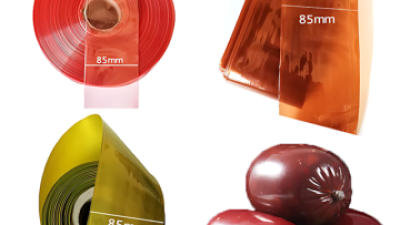
Innovative food packaging solutions are crucial for extending the shelf life and enhancing the presentation of perishable products like sausages. High-barrier polyamide (PA) shrink film has emerged as a preferred choice in the meat industry due to its exceptional oxygen barrier properties. Studies indicate that effective barrier packaging can prolong the shelf life of meat products by up to 50%, minimizing waste and improving profits for producers. This high-performance film not only protects against oxygen ingress but also minimizes moisture loss, crucial for retaining the quality and flavor of sausages.
The cutting-edge manufacturing process of this shrink film utilizes advanced blow molding technology, ensuring a consistent thickness that enhances structural integrity. With its soft glossy finish, the packaging elevates the visual appeal of the product, enticing consumers at the point of sale. Furthermore, the compatibility of this polyamide film with UV printing allows for high-resolution branding and nutritional information, enabling brands to convey their messages effectively while complying with food labeling standards. In a competitive market where consumer preferences are leaning towards visually striking and informative packaging, such innovative solutions are vital for meat processors looking to stand out.
FAQS
: Stretch film can reduce packaging costs by up to 30% compared to traditional materials.
Its lightweight nature decreases freight costs, allowing businesses to save on logistics.
It clings tightly to products, minimizing damage during transit and saving on replacement costs.
Improper wrapping can expose products to damage and increase spoilage rates.
Store in a stable environment; avoid excessive heat to maintain its strength and effectiveness.
Use clean designated bins for collection and educate employees on proper recycling practices.
Incorrect disposal can harm sustainability goals and negatively impact the environment.
Temperatures above 80°F can significantly reduce the film's tensile strength.
Regular inventory assessments can help ensure minimal waste and proper usage.
Trained staff can apply stretch film effectively, leveraging its benefits and reducing costs.
Conclusion
Stretch Film is a versatile packaging material widely used for securing and bundling products. This film is renowned for its ability to cling tightly to items, making it an ideal choice for protecting goods during storage and transportation. The benefits of using Stretch Film include enhanced load stability, protection against dust and moisture, and cost-effectiveness. Choosing the right type of Stretch Film is crucial for meeting specific packaging needs, whether for manual or machine application.
Proper application techniques optimize its effectiveness, ensuring that goods remain secure. Additionally, considerations regarding environmental impact are increasingly important, prompting the need for efficient storage and recycling practices. Overall, Stretch Film proves to be a valuable solution for various packaging challenges, balancing performance and sustainability in modern logistics.