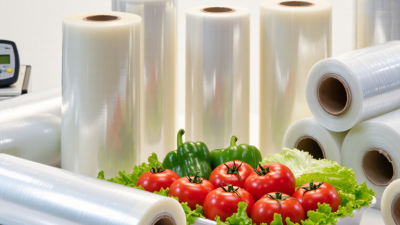
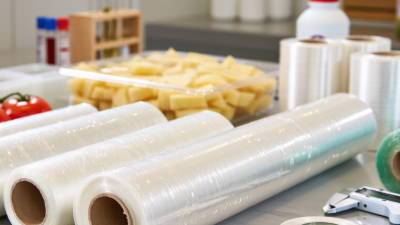
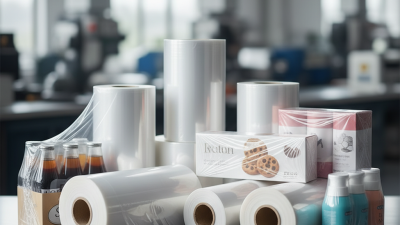
PVC food film still matters—especially for fresh meat, cheese, produce, bakery items, and prepared meals. Its clear surface protects what’s inside while letting you see the texture and appearance. But here’s the thing: “PVC film” isn’t one single product. Plasticizer choice, thickness, cling strength, sealing behavior, and temperature resistance can change how it performs in a big way.
Industry reports back up that complexity. Smithers’ The Future of Global Packaging to 2029 points to food packaging as a major demand sector, and Grand View Research’s PVC Films Market Report notes growing demand for flexible, transparent, and cost-efficient films. Those reports also highlight sustainability pressure, shifting consumer expectations, and the need for better material efficiency. And honestly, data differs between research firms. That matters. Buyers should compare definitions, regions, and product categories before putting too much faith in a market forecast.
Dr. Susan E. M. Selke, a packaging specialist and Professor Emerita at Michigan State University, has stressed that “packaging is a system, not merely a wrapper.” That idea shapes our look at the Top 10 Types of PVC Food Film for Global Buyers. Each type has to be judged on more than price. Food-contact documentation, migration testing, roll consistency, odor control, and supply reliability all deserve equal attention. A film might cling perfectly on a cold tray but fail during transport. Another might look economical but end up creating too much trimming waste. No ranking is perfect. Regional regulations and equipment settings can change the outcome. So the overview below focuses on practical selection, verified specifications, and real-world packaging conditions.
PVC Food Film: Definition, Structure, and Core Performance Features
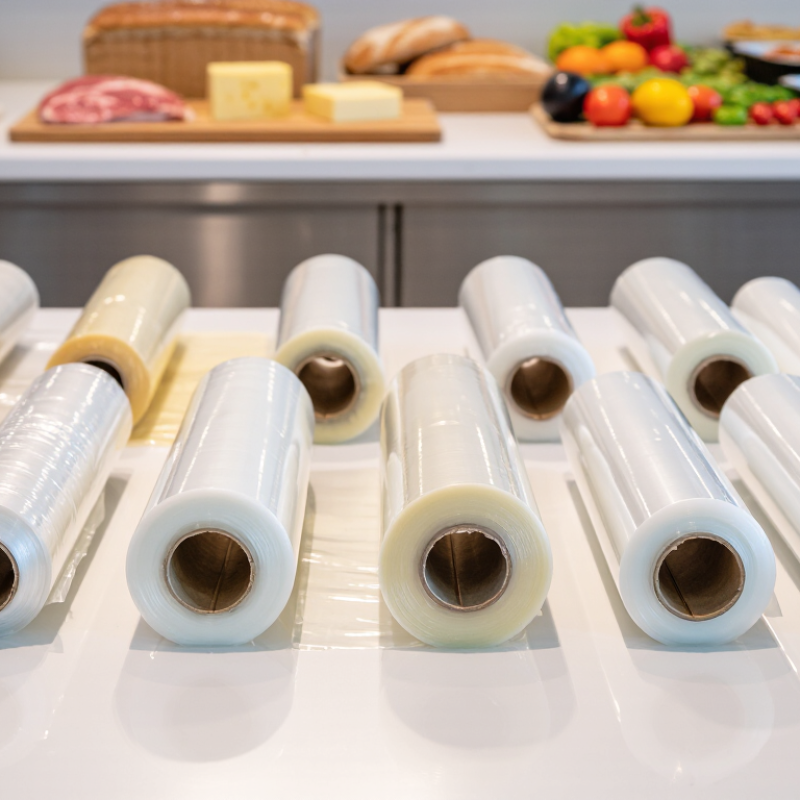
PVC food film is a transparent wrapping material made from polyvinyl chloride resin and approved additives for food-contact use. It helps cover meat, produce, cheese, and prepared foods during chilled storage. Unlike rigid containers, it stretches around uneven surfaces and creates a close seal. That convenience matters in retail and commercial kitchens.
Its structure usually combines a PVC polymer matrix, plasticizers, stabilizers, and processing aids. The polymer provides body and clarity. Plasticizers improve flexibility, while stabilizers support performance during processing and storage. Some films use cling-promoting layers or surface treatments to improve contact. Requirements vary by destination market, so buyers should request food-contact documentation, migration test results, thickness data, and storage limits. A clear appearance alone proves little.
Core performance includes cling, stretch, puncture resistance, transparency, and controlled oxygen and moisture transfer. A useful film should unwind smoothly without tearing or leaving excessive residue. For chilled foods, low-temperature flexibility can matter more than maximum stretch. For fatty foods, compatibility deserves careful review because additives may behave differently. Thickness also affects handling, protection, and material use. No film is perfect. A supplier may describe strong cling, yet results can vary with trays, humidity, and wrapping tension. Trial testing with the intended food and equipment remains essential.
Ten Major PVC Food Film Types by Application and Functional Design
Global buyers commonly select ten PVC food film types by application and functional design.
Standard cling film suits bowls and short-term storage. High-cling film grips smooth containers more firmly. Low-cling film releases cleanly from delicate foods.
Anti-fog film keeps chilled displays clearer. Freezer-resistant film remains flexible at low temperatures. Oxygen-permeable film supports fresh meat presentation.
Breathable produce film helps manage moisture around vegetables. High-clarity bakery film protects cakes while showing their surface. Puncture-resistant deli film handles sliced foods and sharp edges. Cold-service seafood film offers dependable wrapping in wet, chilled conditions.
Food Grade Pvc Film
should be checked for food-contact compliance, thickness consistency, seal performance, and migration test records. A thicker film is not always better. It can reduce flexibility and increase material use.
In practical purchasing, buyers should test film with their actual trays, cutting tools, and storage temperatures. A clear film may still develop haze after condensation. That detail is easy to miss. Functional design must match the complete supply chain, not only the packaging line.
Tips: Request samples from multiple production lots. Test cling, tearing, odor, and unwinding speed. Confirm whether the film suits direct food contact and the intended temperature range. Do not rely only on catalogue photographs. Small differences can affect packing speed, display quality, and waste.
Material Grades, Plasticizers, and Food-Contact Safety Requirements
PVC food film is not one uniform product. Global buyers typically compare ten practical types: unplasticized PVC, flexible PVC, low-temperature film, high-clarity film, anti-fog film, microwave-use film, freezer film, meat-packaging film, produce film, and High cling performance PVC food wrap. Each type depends on resin grade, thickness, plasticizer system, and intended food contact.
Plasticizers deserve close review. Common options include ESBO, citrate esters, and selected phthalates, but acceptance varies by market and food type. Under European Regulation (EU) No 10/2011, additives must meet specific migration limits and approved-use conditions. China’s GB 4806.7-2023 also requires food-contact plastic materials to meet migration and sensory requirements. In the United States, applicable polymer regulations and indirect food-additive rules must be checked separately. One certificate is not enough.
The European Food Safety Authority’s 2023 re-evaluation work on phthalates highlights the need to assess cumulative exposure, not only single substances. Smithers’ flexible-packaging data reports continuing demand for downgauged films, which increases the importance of uniform thickness and migration testing. Buyers should request overall migration, specific migration, residual vinyl chloride, heavy metals, and NIAS screening results. Test food simulants should match fatty, acidic, alcoholic, or aqueous foods. Real use matters.
A clear film can still fail.
Packaging teams should also verify temperature limits, cling transfer, odor, seal integrity, and storage conditions. Supplier declarations may contain gaps. That deserves a second review.
PVC Food Film Types: Material Grades, Plasticizers, and Safety Checkpoints
The chart compares representative commercial thickness midpoints for ten commonly specified PVC food-film formats. Actual values vary by converting process, application, food type, temperature, and destination-market requirements.
| Film type |
Typical thickness |
Material grade |
Plasticizer route |
Food-contact checkpoint |
| General-purpose cling film |
8–15 µm |
Flexible PVC, PVC-P |
Adipate, citrate, or other permitted plasticizer systems |
Migration testing for the intended food simulants and use conditions |
| Meat and poultry overwrap |
10–20 µm |
Flexible PVC, PVC-P |
Plasticizer selection must consider fatty-food contact |
Check fat-contact restrictions, overall migration, and temperature limits |
| Fresh-produce wrap |
8–15 µm |
Flexible PVC, PVC-P |
Low-migration plasticizer system |
Confirm suitability for moist, acidic, and refrigerated foods |
| Cheese and deli wrap |
10–20 µm |
Flexible PVC, PVC-P |
Adipate, citrate, or polymeric alternatives |
Evaluate migration into high-fat foods and repeated-contact conditions |
| Bakery wrap |
10–25 µm |
Flexible PVC, PVC-P |
Food-contact-approved plasticizer package |
Check migration for fatty bakery products and storage duration |
| Freezer-grade wrap |
12–25 µm |
Low-temperature flexible PVC |
Plasticizer system selected for low-temperature flexibility |
Validate flexibility, seal performance, and migration after freezing |
| Anti-fog produce film |
10–20 µm |
Flexible PVC with anti-fog additive |
Plasticizer plus compliant anti-fog additive package |
Verify additive authorization and specific migration limits |
| Perforated produce film |
10–25 µm |
Flexible PVC, PVC-P |
Low-migration plasticizer system |
Check direct-contact compliance after perforation and conversion |
| PVC shrink overwrap |
20–40 µm |
Heat-shrinkable PVC film |
Plasticizer and heat-stabilizer system suitable for the process |
Confirm direct-contact status, heating conditions, and residual substances |
| Rigid PVC lidding film |
100–250 µm |
PVC-U or semi-rigid PVC laminate |
Often unplasticized or lightly plasticized, depending on structure |
Assess the complete multilayer structure, inks, coatings, and adhesive layers |
Compliance is market-specific. Global buyers should request a declaration of compliance, formulation and additive disclosure, overall and specific migration test reports, residual vinyl chloride information, GMP documentation, and confirmation against the applicable rules such as EU Regulation (EU) No 10/2011 or the relevant U.S. food-contact requirements. Plasticizers such as DEHP must not be assumed acceptable; authorization, restrictions, food type, and use conditions must be checked in the destination market.
Key Differences in Cling, Strength, Barrier, and Stretch Performance
Top 10 Types of PVC Food Film for Global Buyers
PVC Food Grade Film varies greatly in cling, strength, barrier, and stretch performance. Standard cling film suits bowls, sandwiches, and short-term chilled storage. High-cling film grips smooth trays tightly, while low-cling film releases more cleanly from delicate pastries. Soft film follows uneven surfaces with less tearing. Stretch-focused film extends easily around large containers, reducing material use. However, excessive stretch can weaken its seal.
High-strength film handles sharp edges on meat trays and prepared vegetables. Puncture-resistant film is useful when bones or firm packaging may damage ordinary wrap. Low-temperature film remains flexible inside chilled rooms around 4°C. Anti-fog film helps customers see fresh food through condensation. High-barrier film slows moisture and odor transfer, although PVC performance depends on thickness and formulation. These are practical categories, not universal standards.
In purchasing tests, I compare a wrapped tray after hand stretching, refrigeration, and gentle stacking. A good film should cling without curling back at the corners. It should also open smoothly without sudden splits. Barrier performance needs measured data, not attractive claims. Ask for food-contact documentation, thickness tolerance, seal temperature, and migration test results. A perfect film does not exist. I have seen strong film waste material, while thin film saves cost but fails around sharp bones. The correct choice depends on the food, equipment, storage temperature, and handling habits. Small trials reveal more than a catalogue description.
Top 10 Types of PVC Food Film for Global Buyers — Key Differences in Cling, Strength, Barrier, and Stretch Performance
| PVC Food Film Type |
Typical Thickness |
Cling Performance |
Tensile Strength
(Typical MD)
|
Elongation
(Typical MD)
|
Stretch Ratio |
Oxygen Transmission
cc/m²/day
|
Water-Vapor Transmission
g/m²/day
|
Typical Food Applications |
| 1. Standard General-Purpose PVC Cling Film |
8–12 μm |
High |
14–22 MPa |
150–250% |
1.5–2.5× |
1,200–2,500 |
12–25 |
Bowls, plates, sandwiches, cut fruit, and everyday household storage. |
| 2. High-Cling PVC Film |
8–11 μm |
Very high |
12–20 MPa |
180–300% |
1.8–3.0× |
1,300–2,700 |
13–28 |
Irregular containers, fresh produce, prepared meals, and retail food displays. |
| 3. Low-Temperature and Freezer PVC Film |
9–14 μm |
Medium to high |
15–24 MPa |
130–220% |
1.3–2.2× |
1,300–2,600 |
12–26 |
Chilled meat, seafood, cheese, frozen portions, and short-term freezer storage. |
| 4. Heavy-Duty PVC Foodservice Film |
12–20 μm |
High |
18–30 MPa |
120–220% |
1.2–2.2× |
1,000–2,200 |
10–24 |
Large trays, catering pans, commercial kitchens, and high-frequency food handling. |
| 5. High-Strength PVC Film |
10–16 μm |
Medium to high |
22–35 MPa |
100–190% |
1.2–1.9× |
1,000–2,100 |
10–22 |
Sharp-edged food containers, dense food portions, and applications needing puncture resistance. |
| 6. High-Stretch PVC Film |
8–12 μm |
High |
13–22 MPa |
220–350% |
2.2–3.5× |
1,300–2,800 |
14–30 |
Wrapping rounded products, produce, bakery goods, and mixed-shape containers. |
| 7. Anti-Fog PVC Food Film |
9–13 μm |
Medium to high |
14–23 MPa |
150–260% |
1.5–2.6× |
1,200–2,500 |
13–27 |
Refrigerated meat, produce, deli foods, and packages where product visibility is important. |
| 8. Perforated or Breathable PVC Food Film |
8–14 μm |
Medium |
13–22 MPa |
140–240% |
1.4–2.4× |
Variable; perforation-controlled |
Variable; perforation-controlled |
Selected fresh produce and foods requiring controlled ventilation rather than maximum sealing. |
| 9. Microwave-Use PVC Cover Film |
9–14 μm |
Medium to high |
13–22 MPa |
150–250% |
1.5–2.5× |
1,200–2,600 |
13–28 |
Covering microwaveable food containers for reheating, subject to the film’s approved use instructions. |
| 10. Extra-Wide PVC Foodservice Film |
10–18 μm |
Medium to high |
16–28 MPa |
130–230% |
1.3–2.3× |
1,100–2,400 |
11–25 |
Wide trays, display cases, institutional kitchens, and bulk food preparation. |
Data interpretation: The values shown are typical engineering ranges for plasticized PVC food-contact films and are intended for preliminary product comparison. Actual performance varies with formulation, plasticizer system, thickness, additives, processing, temperature, humidity, and test method. Tensile strength and elongation are commonly reported in the machine direction (MD). Oxygen transmission values are generally measured near 23°C under dry conditions, while water-vapor transmission values are commonly measured near 38°C and 90% relative humidity. Barrier results for perforated films depend primarily on perforation size, spacing, and open area. Food-contact compliance, microwave suitability, freezer suitability, and maximum service temperature must be verified against the applicable destination-market regulations and the supplier’s technical documentation.
How Global Buyers Match PVC Film Types to Food Packaging Needs
Global buyers should match PVC food film to the product, equipment, and distribution route. The ten common formats include cling film, stretch film, shrink film, lidding film, thermoforming film, high-clarity film, anti-fog film, perforated film, freezer-grade film, and high-barrier film. Each solves a different problem. Cling film suits fresh produce and prepared meals. High-barrier structures protect fatty foods from oxygen and odors. Anti-fog film keeps chilled trays visible under refrigeration.
Packaging decisions should start with measurable conditions. A buyer shipping meat needs puncture resistance, seal integrity, and controlled gas transmission. A bakery may prioritize clarity and easy opening. Perforated film can reduce condensation around vegetables, but excessive perforation may accelerate dehydration.
Thermoforming film must match the machine’s forming temperature and sealing pressure. It sounds simple. It rarely is.
The FAO reported that 13.2% of food was lost between harvest and retail in 2021. Better packaging can reduce some losses, but film selection alone cannot solve them. The UNEP Food Waste Index 2024 estimated 1.05 billion tonnes of food waste in 2022, showing why application testing matters.
Buyers should request migration reports, food-contact compliance documents, seal-strength data, and low-temperature performance results. Thickness is not a quality guarantee. I have seen thinner film perform better when its formulation and sealing window were properly matched. PVC may deliver strong clarity and cling, yet it is not automatically the best choice for every market, recycling route, or food category. Supplier claims need independent verification.
International Standards, Labeling Rules, and Quality Inspection Criteria
For global buyers, Food Cling Film must satisfy both safety rules and clear labeling. EU Regulation (EU) No 10/2011 requires plastic food-contact materials to meet overall and specific migration limits. In the United States, PVC film is assessed under 21 CFR 177.1980. China’s GB 4806.7 also sets requirements for plastic food-contact materials. Requirements differ. Check the destination market before ordering.
A compliant label should state PVC material, food-contact suitability, temperature limits, intended use, batch number, and importer details. The food-contact symbol may be required in some markets. Keep the declaration of compliance and migration test report together. Plastics Europe reported 400.3 million tonnes of global plastics production in 2022, with packaging forming about 40% of European demand. This scale increases audit pressure, even for small film suppliers.
Tips: Request samples from three production lots. Inspect thickness, width, transparency, odor, cling, tensile strength, and elongation. ASTM D882 can support tensile testing, while accredited laboratories should conduct overall and specific migration tests. Check plasticizer restrictions carefully. A film can look perfect and still fail extraction testing. One practical weakness remains: buyers sometimes trust certificates without matching the tested film’s lot number. That mistake deserves more attention.
Supplier Evaluation, Cost Factors, and Global Purchasing Considerations
Top 10 Types of PVC Food Film for Global Buyers?
When comparing PVC food film suppliers, buyers should examine more than thickness and price. Common options include standard cling film, high-clarity film, antifog film, perforated film, colored film, printed film, freezer-grade film, catering rolls, household rolls, and machine-compatible film. Each type suits different products, temperatures, and packaging equipment. Request product specifications, food-contact declarations, migration test reports, and batch traceability records. A clear sample can reveal stretching, cling strength, odor, and tearing problems within minutes. Small details matter.
Cost needs a wider view. Resin quality, film thickness, roll length, additives, core material, and packaging all affect the quoted price. Freight can change the final cost sharply, especially for low-density rolls with large shipping volume. Check minimum order quantities, production lead times, payment terms, export packing, and delivery responsibilities. Ask for a complete landed-cost calculation.
The cheapest quote often hides waste.
Supplier reliability also requires evidence. Review factory capacity, quality controls, complaint handling, and production consistency across several batches. A video tour helps, but independent inspection may reveal more. Buyers should compare equal specifications, not attractive numbers. A thinner film may reduce material costs, yet increase breakage during wrapping. This is where sourcing decisions become less perfect. Forecasts can be wrong, and local storage conditions may affect performance. Keep trial orders realistic, record test results, and leave room for corrective action.
How to Choose Durable 20×100-Foot LDPE Plastic Film Rolls from China’s Architectural Film Suppliers
Choosing durable 20×100-foot LDPE plastic film rolls from China’s architectural film suppliers requires more than comparing prices. Each roll covers approximately 2,000 square feet, or 185.8 square meters, making consistent dimensions and reliable thickness essential for large construction areas. Buyers should request technical data for tensile strength, elongation, tear resistance, puncture performance, and moisture protection. Testing aligned with ASTM D882 and ASTM D1709 can help verify mechanical strength and impact resistance, while controlled resin quality improves flexibility and reduces splitting during installation.
LDPE film is particularly suitable for concrete curing, floor protection, temporary wall covering, and dust isolation because it is lightweight, waterproof, moisture-proof, and easy to unfold. The U.S. Environmental Protection Agency’s national estimate reported more than 600 million tons of construction and demolition debris in 2018, highlighting the importance of effective material protection and site-management practices. A well-made film can help reduce contamination, surface damage, and avoidable replacement work when properly secured and used according to project conditions.
When evaluating suppliers, contractors should check whether rolls are produced with uniform winding, sealed edges, clear labeling, and protective export packaging. Weather resistance is also important for outdoor applications, especially where exposure to sunlight, wind, or changing temperatures is expected. Suppliers should provide batch inspection records, thickness tolerances, roll-weight information, and sample approvals before bulk purchasing. Clear communication about film thickness, color, packaging format, loading capacity, and delivery requirements helps ensure that the selected 20×100-foot rolls match the demands of each construction project.
FAQS
Standard cling film works for bowls and short-term food storage. It wraps smooth surfaces easily. Do not assume it suits freezing or heating.
High-cling film grips smooth trays and containers firmly. Low-cling film releases more cleanly from delicate foods. The wrong choice can tear soft cake surfaces.
Anti-fog film keeps condensation from obscuring chilled products. Oxygen-permeable film supports fresh meat presentation. Produce film helps manage moisture around vegetables.
High-clarity film protects cakes while keeping their surfaces visible. Puncture-resistant film handles sliced foods and sharp edges. Cold-service seafood film performs in wet, chilled conditions.
No. Extra thickness may reduce flexibility and increase material use. A thinner, uniform film can perform better. Testing matters more than appearance.
Request food-contact declarations and migration test reports. Check overall migration, specific migration, residual vinyl chloride, heavy metals, and NIAS results. One certificate is not enough.
Test food simulants should reflect fatty, acidic, alcoholic, or watery foods. Temperature and contact time must match real use. A clear film can still fail extraction testing.
Test samples from at least three production lots. Check thickness, width, transparency, odor, cling, tearing, tensile strength, and elongation. Record unwinding speed too.
Labels should identify the material, food-contact suitability, temperature limits, intended use, batch number, and importer details. Keep documents with the matching lot number. This step is often overlooked.
Conclusion
Pvc Food Film is a flexible food-packaging material designed to protect, cover, and preserve fresh products during storage, transport, and display. This guide introduces ten major types categorized by application and functional design, including films developed for household wrapping, food-service use, industrial packaging, high cling, enhanced strength, improved stretch, and stronger barrier performance. It also explains how resin grades, plasticizer selection, thickness, and food-contact safety requirements influence usability, freshness protection, and product compatibility.
For global buyers, selecting the right Pvc Food Film requires matching cling, toughness, transparency, stretch, and barrier properties with specific food-packaging needs. The guide reviews international standards, labeling expectations, inspection points, and testing criteria such as thickness consistency, sealing behavior, tensile strength, odor, migration control, and roll quality. It also highlights supplier assessment, production stability, documentation, logistics, minimum order quantities, and total purchasing cost, helping buyers make practical decisions based on safety, performance, compliance, and long-term supply reliability.