
- admin@youerfilms.com
- Mon - Sat at 9:00AM to 18:00PM
Leave Your Message
In the modern era of globalized trade and rapid e-commerce expansion, the importance of secure, efficient, and cost-effective logistics cannot be overstated. At the very heart of this vast supply chain network lies a seemingly simple yet technologically advanced product: Plastic Wrap for Pallet Wrapping and Shipping. Commonly referred to as stretch film, pallet wrap, or industrial shrink wrap, this material is the unsung hero of the logistics world, ensuring that billions of dollars worth of goods reach their destinations intact, free from damage, moisture, and tampering.
The commercial landscape of pallet wrapping has evolved dramatically. No longer is it just about wrapping a plastic sheet around cardboard boxes. Today's industrial plastic wrap represents a convergence of advanced polymer science, smart manufacturing, and automated application technology. The global stretch film market is experiencing robust growth, driven by the surging demands of the food and beverage industry, pharmaceuticals, electronics, and heavy machinery logistics. Companies are constantly seeking the perfect balance between load containment force, film yield, and environmental sustainability.
Currently, the logistics and shipping industry relies heavily on Linear Low-Density Polyethylene (LLDPE) as the primary resin for manufacturing stretch films. The industry has shifted from traditional single-layer extrusion to highly sophisticated multi-layer cast and blown extrusion processes. Some state-of-the-art manufacturing facilities now produce films with up to 55 micro-layers. This multi-layer technology significantly enhances the film's puncture resistance, tear propagation resistance, and ultimate stretch capacity, allowing end-users to down-gauge (use thinner films) without compromising the integrity of the pallet load.
From a commercial standpoint, businesses are increasingly analyzing their Cost-Per-Load rather than the Price-Per-Roll. A cheaper roll of film that snaps easily or requires multiple wraps per pallet ultimately costs more in labor, wasted material, and potential product damage than a premium, high-performance wrap. This paradigm shift is pushing manufacturers to innovate constantly, integrating AI-driven quality control systems during the extrusion process to ensure absolute consistency in film gauge and tackiness.
Advanced multi-layer LLDPE films allow for significant down-gauging, reducing material usage by up to 30% while maintaining superior load containment force, directly impacting the bottom line.
Engineered stretch capabilities ensure that products remain tightly bound to the pallet, drastically reducing transit damage, shifting, and loss during high-speed transport.
Standardized pallet wrapping protocols using high-grade plastic wrap ensure compliance with international shipping standards, facilitating smooth cross-border logistics.
The application of plastic wrap for pallet wrapping extends far beyond standard warehouse storage. Different industries present unique challenges that require specialized film formulations. Understanding these deep application scenarios is crucial for optimizing supply chain efficiency.
In the food and beverage sector, pallets often move from freezing environments to humid loading docks. Standard plastic wraps can become brittle and snap in sub-zero temperatures, or lose their cling in high humidity. Specialized cold-room stretch films are formulated with specific tackifiers (like Polyisobutylene - PIB) that maintain flexibility and adhesion even at -20°C. Furthermore, anti-fog and micro-perforated breathable wraps are used for fresh produce (like fruits and vegetables) to prevent condensation buildup, allowing ethylene gas to escape and extending the shelf life of the shipped products.
Shipping sensitive electronic components requires more than just physical containment. Static electricity generated during the unrolling of standard plastic wrap can fry circuit boards and microchips. Anti-static stretch films, tinted in industry-standard pink, are infused with anti-static agents that dissipate electrostatic discharge (ESD). These films ensure that pallets of servers, semiconductors, and consumer electronics are wrapped securely without risking catastrophic electrical damage during the shipping process.
When dealing with jagged edges, heavy metallic parts, or construction materials like bricks and timber, puncture resistance is the primary concern. Heavy-duty blown stretch film is typically the wrap of choice here. Unlike cast film, blown film is extruded vertically and cooled by air, resulting in a biaxial orientation that gives it incredible tear resistance in both the machine and transverse directions. Even if a sharp metal corner pierces the film, the tear will not propagate, ensuring the massive load remains stable on the flatbed truck.

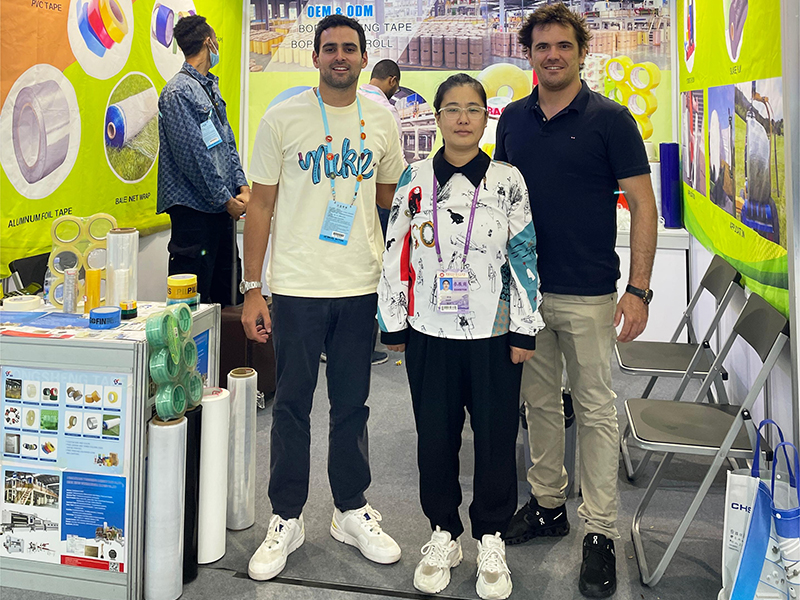
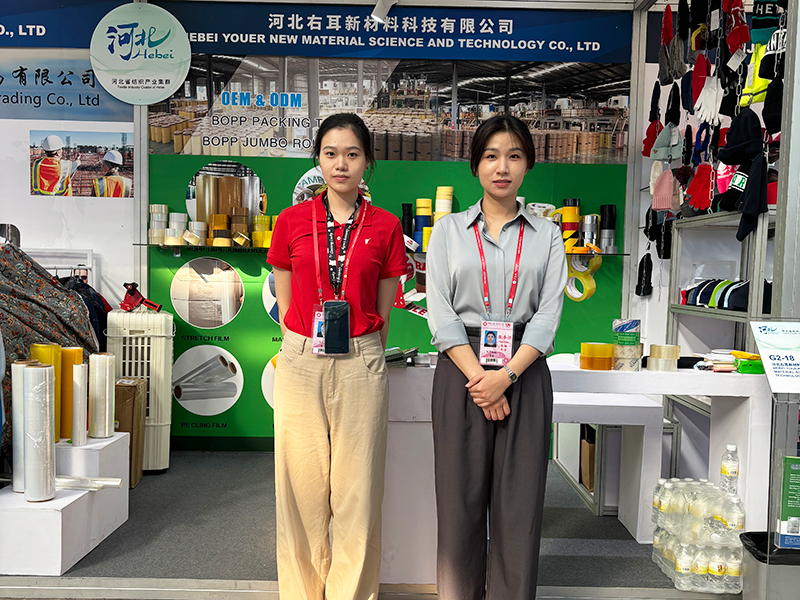
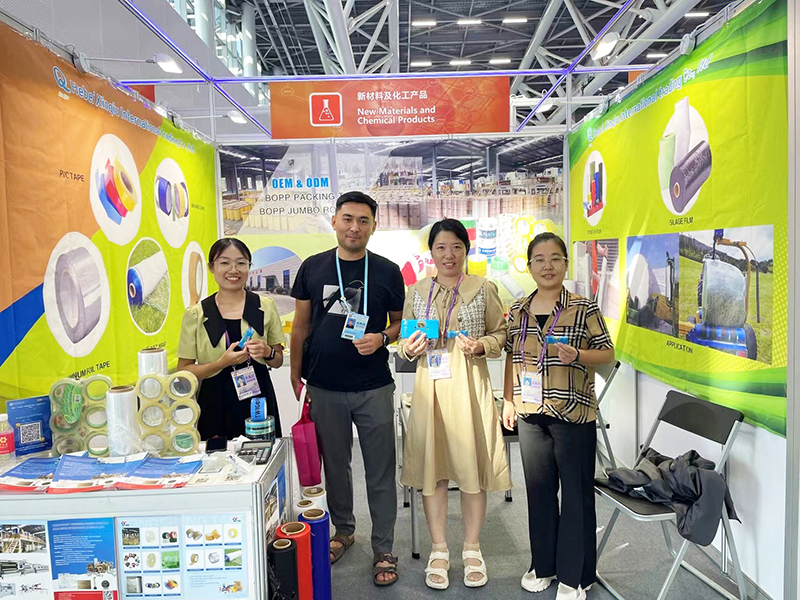
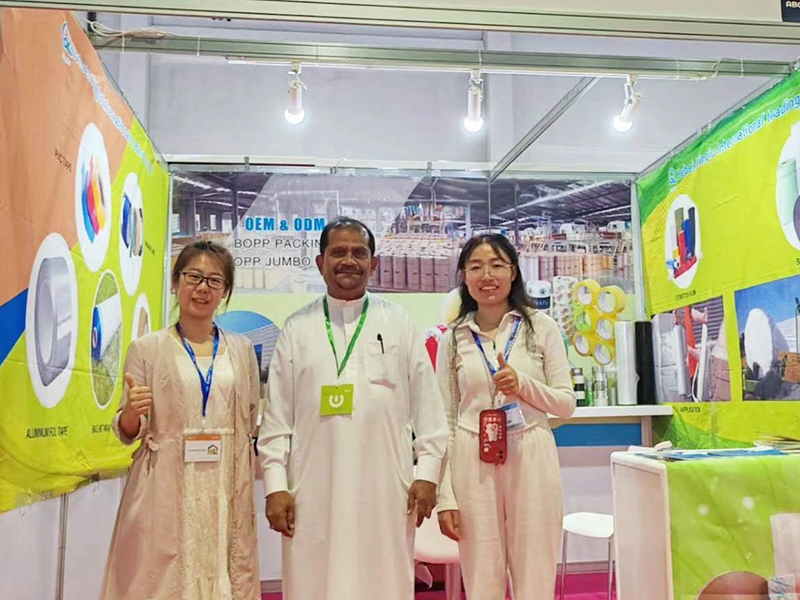
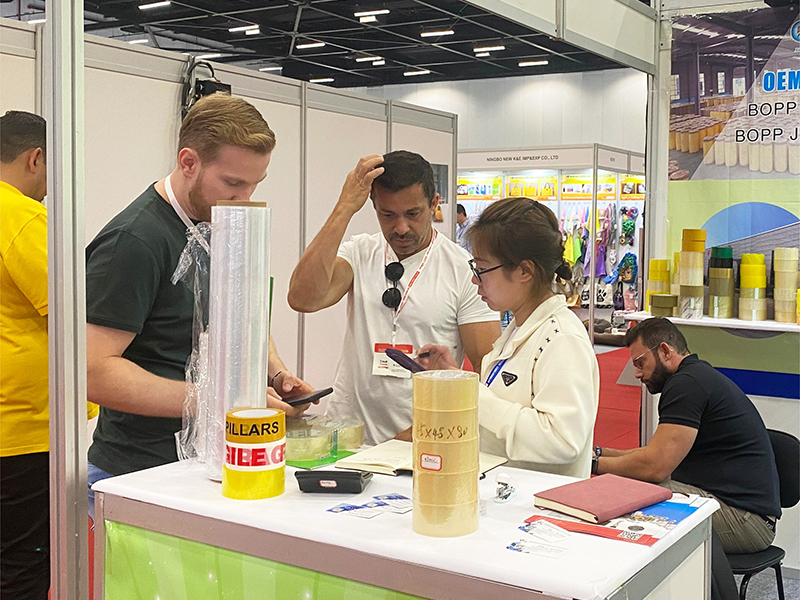
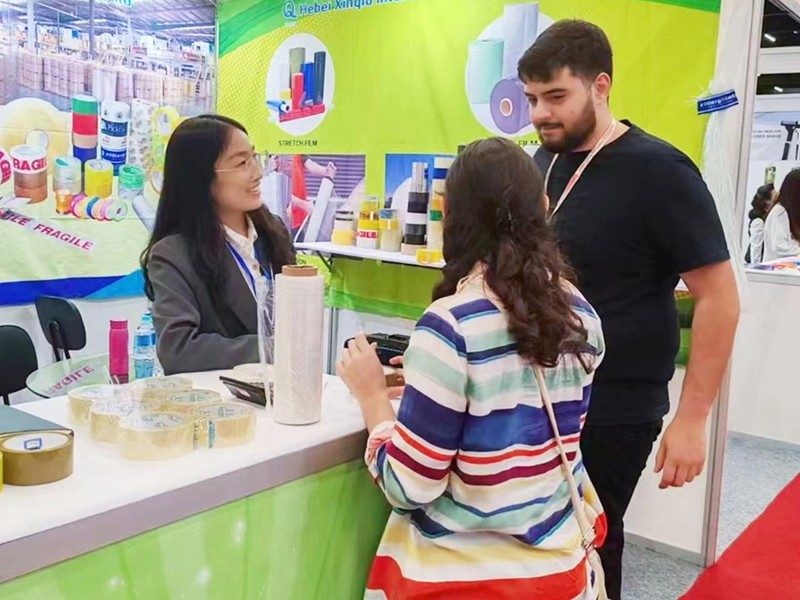
Hebei Youer New Material Science and Technology Co., Ltd. has been founded since 2007. It is located in Shijiazhuang City, Hebei Province, and has specialized in film for more than 10 years and becomes a modern high-tech enterprise integrating R & D, production and sales.
Our product system focuses on three core product lines — stretch film, protective film and BOPP film, with detailed extended classifications to fully cover the diverse application needs of various industries.
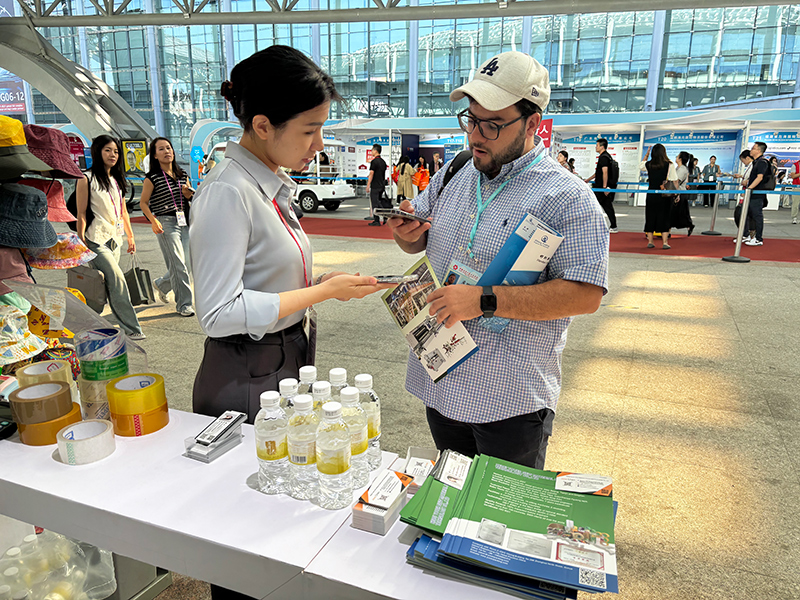
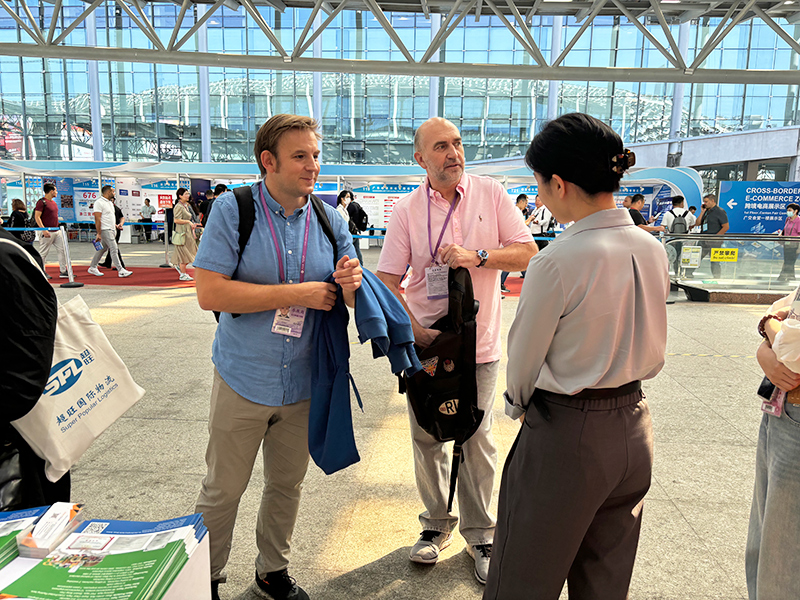
With experience in product development and materials exporting, we have gained a very good reputation among customers from more than 80 countries. Our professional sales team which is always ready to give quick response, provide multi choice to satisfy customer requirements with one stop service.
The future of pallet wrapping is being reshaped by Industry 4.0, Artificial Intelligence, and a massive push towards environmental sustainability. The traditional manual wrapping process is rapidly being replaced by intelligent, automated systems.
Modern automated pallet wrappers are no longer just mechanical turntables. They are equipped with AI-driven vision systems and load-cell sensors. These smart machines analyze the shape, weight, and fragility of the pallet load in real-time. The AI algorithm then determines the precise tension, stretch rate, and wrap pattern required. If a load is top-heavy, the machine automatically applies more film at the base and mid-section to create a stabilizing "rope" effect. This integration of AI ensures optimal load containment while minimizing film waste down to the exact gram.
Material scientists are leveraging nanotechnology to manipulate the molecular structure of LLDPE. By introducing nano-additives, manufacturers are creating ultra-thin films (down to 8-10 microns) that possess the holding force of traditional 20-micron films. This nano-layering technology allows for a higher stretch percentage (often exceeding 300% on pre-stretch machines), drastically reducing the volume of plastic introduced into the supply chain while cutting shipping weights and costs.
With global regulations tightening around single-use plastics, the pallet wrap industry is pivoting towards sustainability. The integration of Post-Consumer Resin (PCR) is becoming a standard practice, with many high-performance films now containing 30% or more recycled content without losing their mechanical properties. Furthermore, the development of bio-based LLDPE, derived from sugarcane and other renewable resources, represents the cutting edge of eco-friendly shipping solutions, helping corporations achieve their carbon-neutral goals.
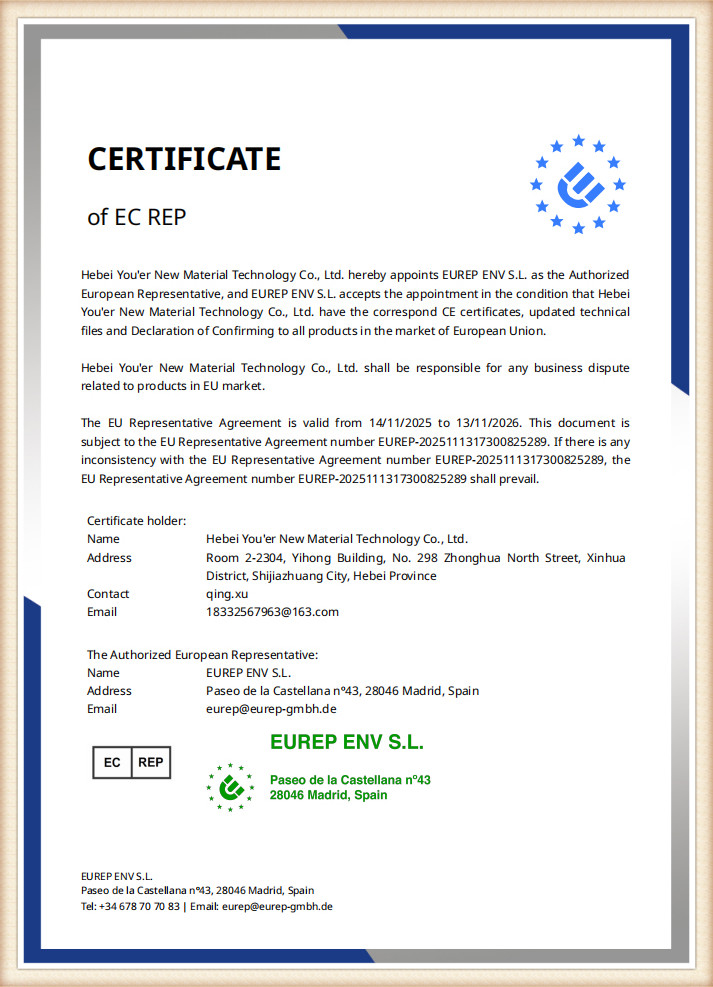
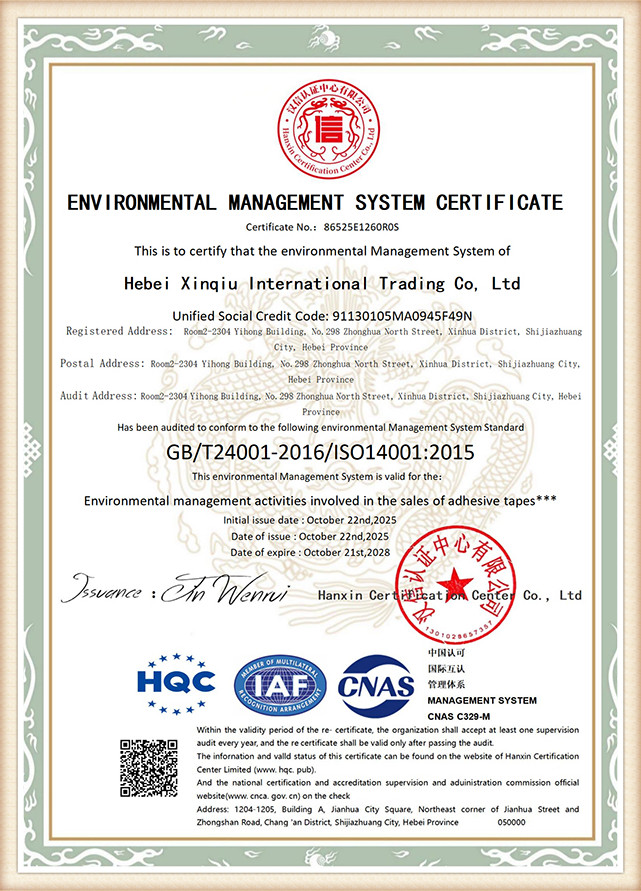
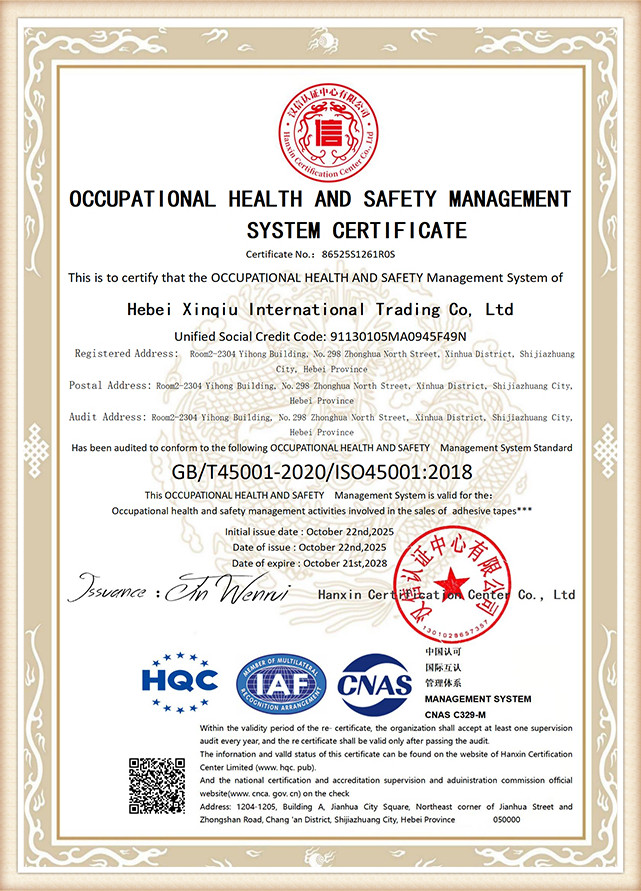
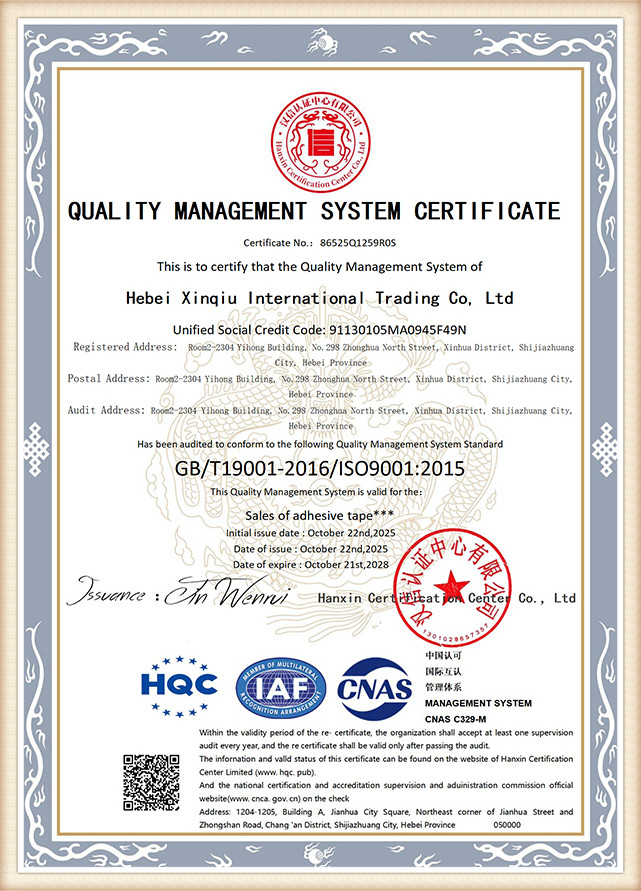
We strictly implement international quality control standards throughout the entire production process, from the selection of high-quality raw materials to the precision testing of finished products, forming a complete quality management system. Every roll of film leaving the factory has undergone strict inspection to ensure that it meets the highest quality requirements of customers.
We have built a professional R&D team composed of senior engineers and technical talents, equipped with advanced R&D and testing equipment. We focus on technological breakthroughs and product upgrading, and continuously develop environmentally friendly, efficient and high-performance film products to keep pace with the changing market demand.
Our vision is to become a world-class film manufacturer, promote the sustainable development of the film industry, and create greater value for customers, employees and society through continuous innovation and unremitting efforts. We are looking forward to build up a long term partnership with potential customers all over the world.
Selecting the correct plastic wrap for pallet wrapping is a critical decision that impacts both operational efficiency and product safety. A mismatch between the load type and the film specifications can lead to catastrophic load failures during transit.
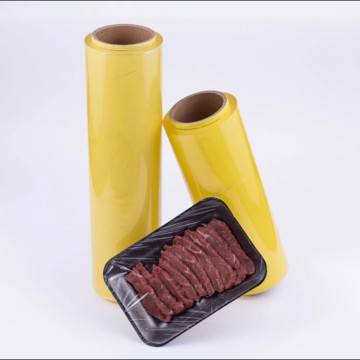 Advanced Heat-Resistant Pallet Wrap for Industrial Shipping
 Heavy-Duty Scratch-Resistant Shipping Protection Wrap
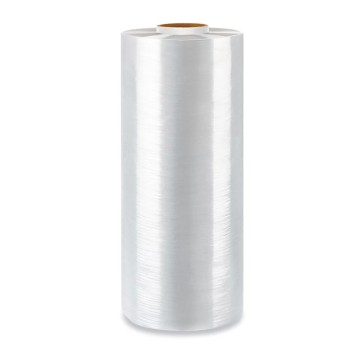 Industrial Stretch Roll for Secure Pallet Wrapping
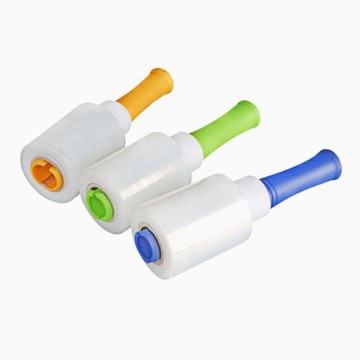 LLDPE Machine & Hand Pallet Packing Film
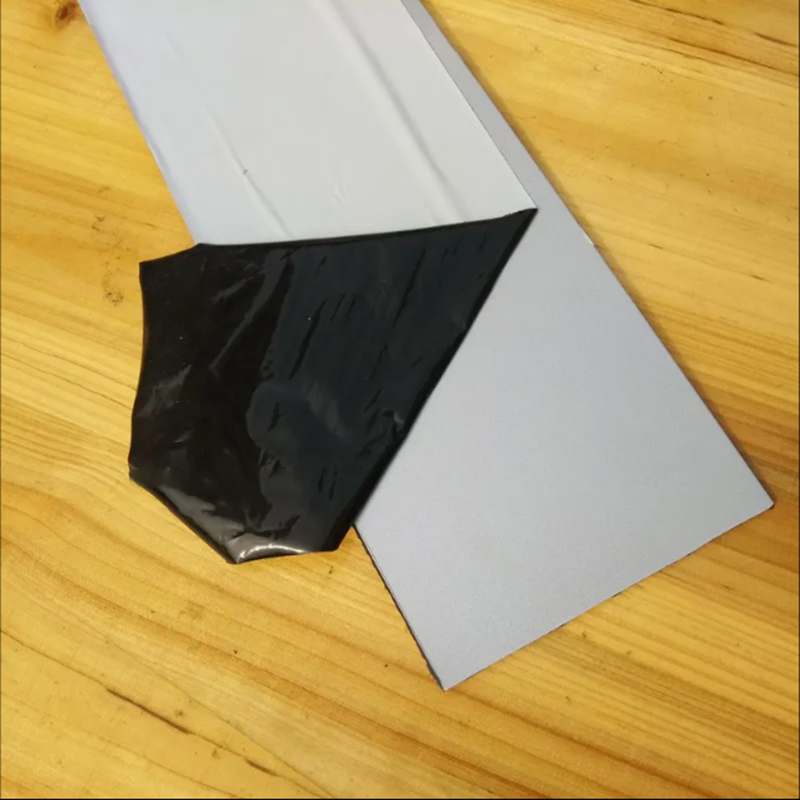 Architectural Grade PE Film for Heavy Pallet Loads
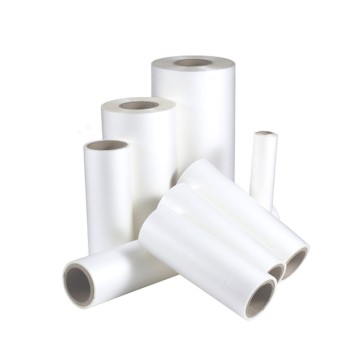 BOPP Surface Protection for Food-Grade Shipping