- admin@youerfilms.com
- Mon - Sat at 9:00AM to 18:00PM
Leave Your Message
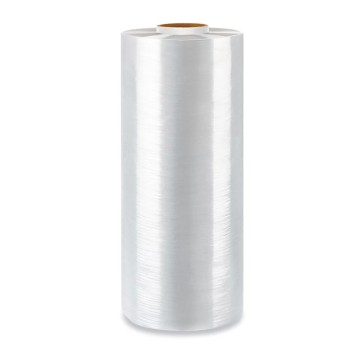
The construction industry is undergoing a massive transformation in how it approaches site safety, environmental control, and project efficiency. At the forefront of this evolution is the utilization of Packaging Film For Construction Site Scaffolding. Traditionally, construction sites relied on standard debris netting or loose tarpaulins to enclose scaffolding structures. However, as modern architectural projects grow in complexity, height, and environmental sensitivity, these traditional methods are no longer sufficient. Today, highly engineered polymer films—such as shrink wrap, stretch wrap, and heavy-duty LDPE sheeting—have become the industry standard for full scaffold encapsulation.
The global market for construction scaffolding accessories, particularly protective packaging films, has seen exponential growth over the past decade. This surge is primarily driven by increasingly stringent occupational health and safety regulations (such as OSHA in the United States and HSE in the UK), which mandate rigorous containment of hazardous materials and debris. Furthermore, the economic pressure to prevent weather-related project delays has prompted contractors to invest heavily in robust scaffolding films. By completely encapsulating a building structure, contractors create a micro-climate that allows work to continue seamlessly through heavy rain, snow, and extreme wind conditions. This not only protects the workforce but significantly reduces costly project downtime, ensuring a higher return on investment for large-scale commercial developments.
From an industrial manufacturing perspective, the production of scaffolding packaging film has shifted towards high-performance multi-layer co-extrusion technologies. Manufacturers are now integrating advanced UV inhibitors, flame retardant additives, and anti-static properties directly into the polymer matrix. This technological leap ensures that the films can withstand prolonged exposure to harsh solar radiation without degrading, while also meeting strict international fire safety codes required for urban construction zones.
The versatility of packaging film for construction site scaffolding extends far beyond simple weather protection. Modern construction environments demand multifaceted solutions to address a variety of complex on-site challenges. Below is a comprehensive analysis of the primary application scenarios where scaffolding films are indispensable.
One of the most critical applications of scaffolding film is creating a weather-tight seal around the construction perimeter. In regions experiencing harsh winters or frequent monsoons, heat-shrink scaffolding films are applied and heated to create a drum-tight enclosure. This allows for the installation of temporary industrial heaters or air conditioning units inside the scaffold structure. As a result, temperature-sensitive tasks such as concrete curing, plastering, and painting can be executed flawlessly regardless of the external weather conditions, maintaining strict project timelines.
In dense urban environments, mitigating the impact of construction on the surrounding community is paramount. Scaffolding packaging films act as an impenetrable barrier against silica dust, debris, and airborne particulates generated during demolition, sandblasting, or grinding operations. By utilizing high-tensile stretch or shrink films, contractors ensure that zero hazardous dust escapes the site, thereby complying with environmental protection agency (EPA) guidelines and preventing public health hazards and potential lawsuits.
During the renovation or demolition of older buildings, the removal of hazardous materials such as asbestos or lead-based paint requires absolute negative pressure containment. Specialized heavy-duty, flame-retardant scaffolding films are used to hermetically seal the work area. These films are engineered to be highly puncture-resistant, ensuring that the negative air pressure systems function correctly without any risk of toxic fiber leakage into the external atmosphere.
Beyond structural encapsulation, scaffolding packaging film plays a vital role in site logistics. High-quality LLDPE stretch films are utilized to tightly bundle and secure heavy scaffolding poles, base plates, and wooden planks onto pallets for safe transportation and storage. This prevents shifting during transit, reduces the risk of workplace injuries during unloading, and protects the metal components from moisture and subsequent rust before they are assembled on-site.
When selecting a packaging film for construction site scaffolding, engineers and procurement managers must evaluate several critical technical specifications. The thickness of the film, typically measured in mils (thousandths of an inch) or microns, dictates its structural integrity. Heavy-duty applications often require films ranging from 9 to 12 mils. Furthermore, the biaxial shrink ratio is crucial for heat-shrink applications, ensuring the film tightens uniformly around irregular scaffold joints without tearing. Additives are equally important; UV-stabilized films prevent photodegradation, which causes standard plastics to become brittle and shatter under wind loads after a few months of sun exposure. Fire retardancy is non-negotiable in commercial projects, with films required to pass stringent tests like the NFPA 701 or EN 13501-1 standards, ensuring they self-extinguish and do not contribute to flame spread.
The future of scaffolding packaging film lies at the intersection of sustainability and smart technology. As the construction sector faces increasing pressure to reduce its carbon footprint, there is a massive shift towards the development of biodegradable and fully recyclable polymer blends. Innovations in Polylactic Acid (PLA) and bio-based Polyethylene are paving the way for eco-friendly scaffold enclosures that offer the same tensile strength as traditional plastics but break down safely after their operational lifespan.
Simultaneously, the advent of "Smart Films" is revolutionizing site monitoring. Researchers are developing scaffolding films embedded with thermochromic properties that change color based on temperature fluctuations, alerting site managers to potential fire hazards or inefficient heating within the enclosure. Additionally, self-healing polymer films are emerging from the lab; these materials can autonomously repair minor punctures or micro-tears caused by sharp scaffolding edges, drastically reducing maintenance time and ensuring continuous environmental containment.

Hebei Youer New Material Science and Technology Co., Ltd. has been founded since 2007. It is located in Shijiazhuang City, Hebei Province, and has specialized in film for more than 10 years and becomes a modern high-tech enterprise integrating R & D, production and sales.
Our product system focuses on three core product lines — stretch film, protective film and BOPP film, with detailed extended classifications to fully cover the diverse application needs of various industries, including advanced packaging film for construction site scaffolding.
With experience in product development and materials exporting, we have gained a very good reputation among customers from more than 80 countries. Our professional sales team which is always ready to give quick response, provide multi choice to satisfy customer requirements with one stop service.
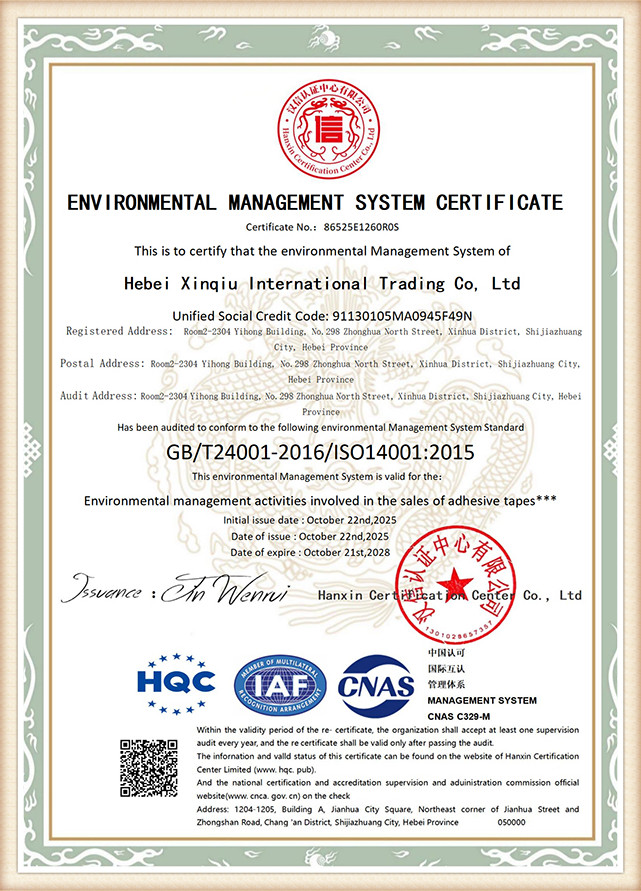
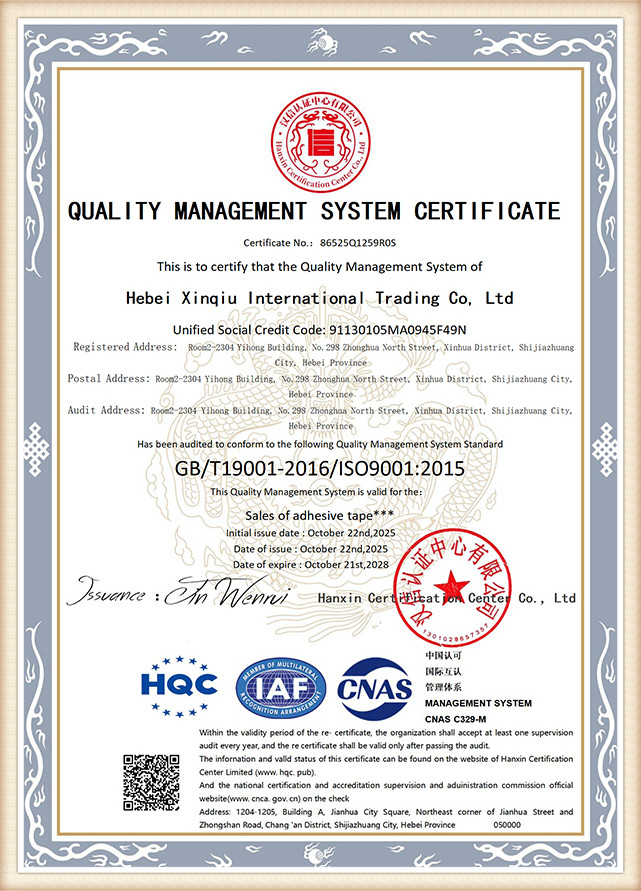
We strictly implement international quality control standards throughout the entire production process, from the selection of high-quality raw materials to the precision testing of finished products, forming a complete quality management system. Every roll of scaffolding film leaving the factory has undergone strict inspection.
We have built a professional R&D team composed of senior engineers and technical talents, equipped with advanced R&D and testing equipment. We focus on technological breakthroughs and continuously develop environmentally friendly, efficient, and high-performance film products to lead the industry development trend.
Our vision is to become a world-class film manufacturer, promote the sustainable development of the film industry, and create greater value for customers, employees, and society. We are looking forward to building up a long-term partnership with more potential customers all over the world.
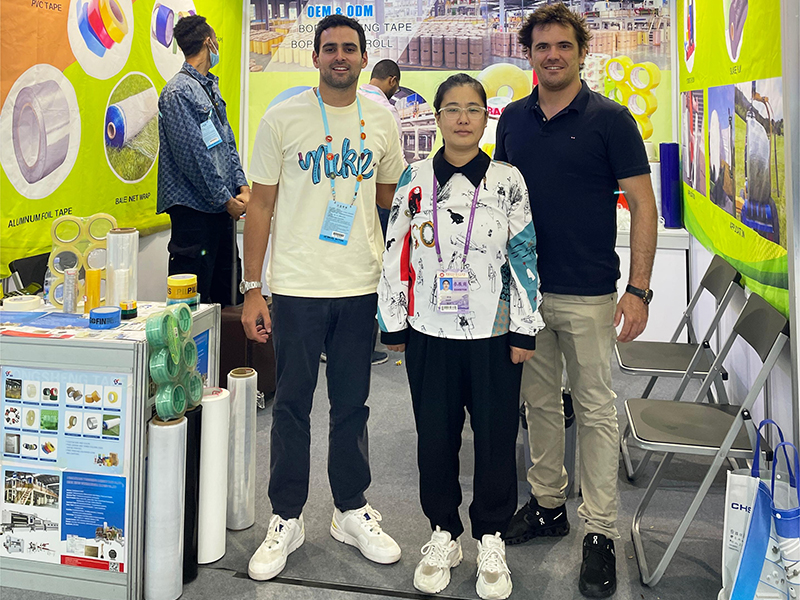
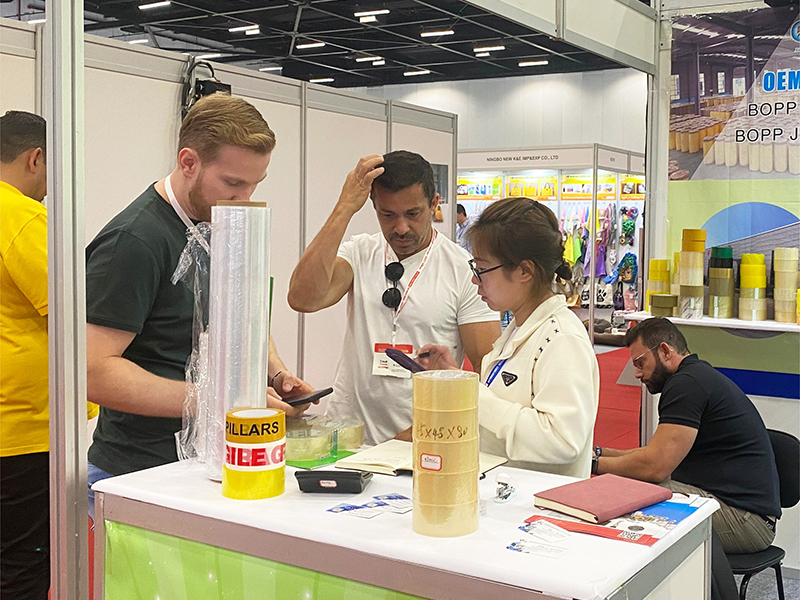
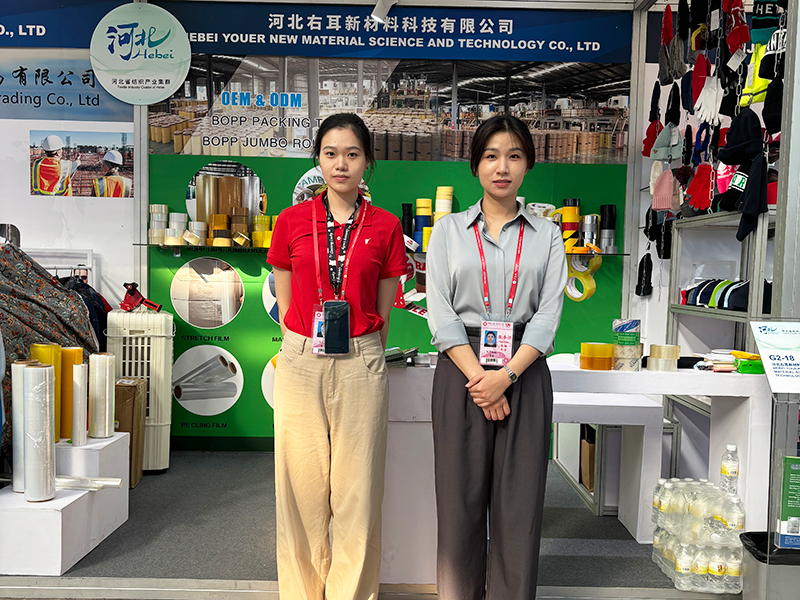
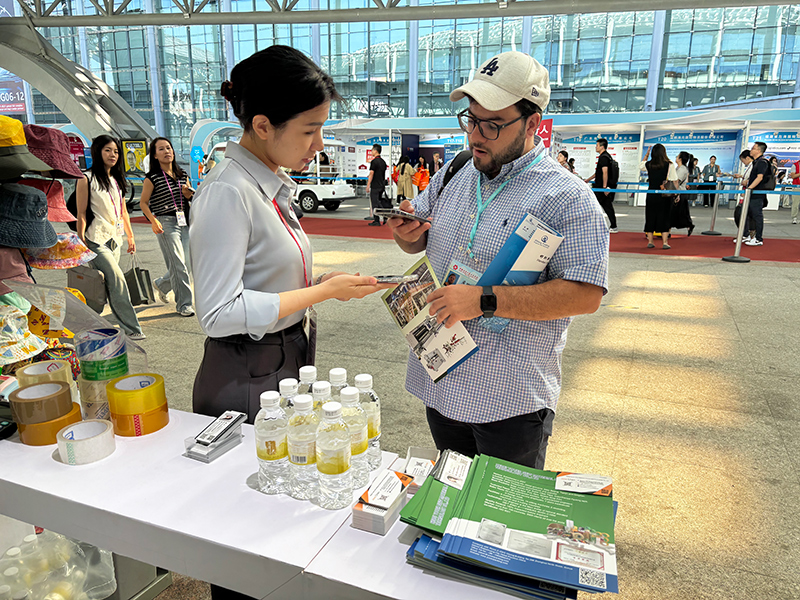
Showcasing our global footprint and commitment to excellence in the protective film industry.